5 Foods High School Athletes Should Stop Eating for Optimal Performance


Understanding the Importance of Nutrition
High school athletes are always looking for ways to enhance their performance, and while training and practice are crucial, nutrition plays an equally important role. The foods athletes consume can significantly impact their energy levels, recovery time, and overall performance. To reach peak performance, it's essential to understand which foods might be hindering their progress.
Processed Sugary Snacks
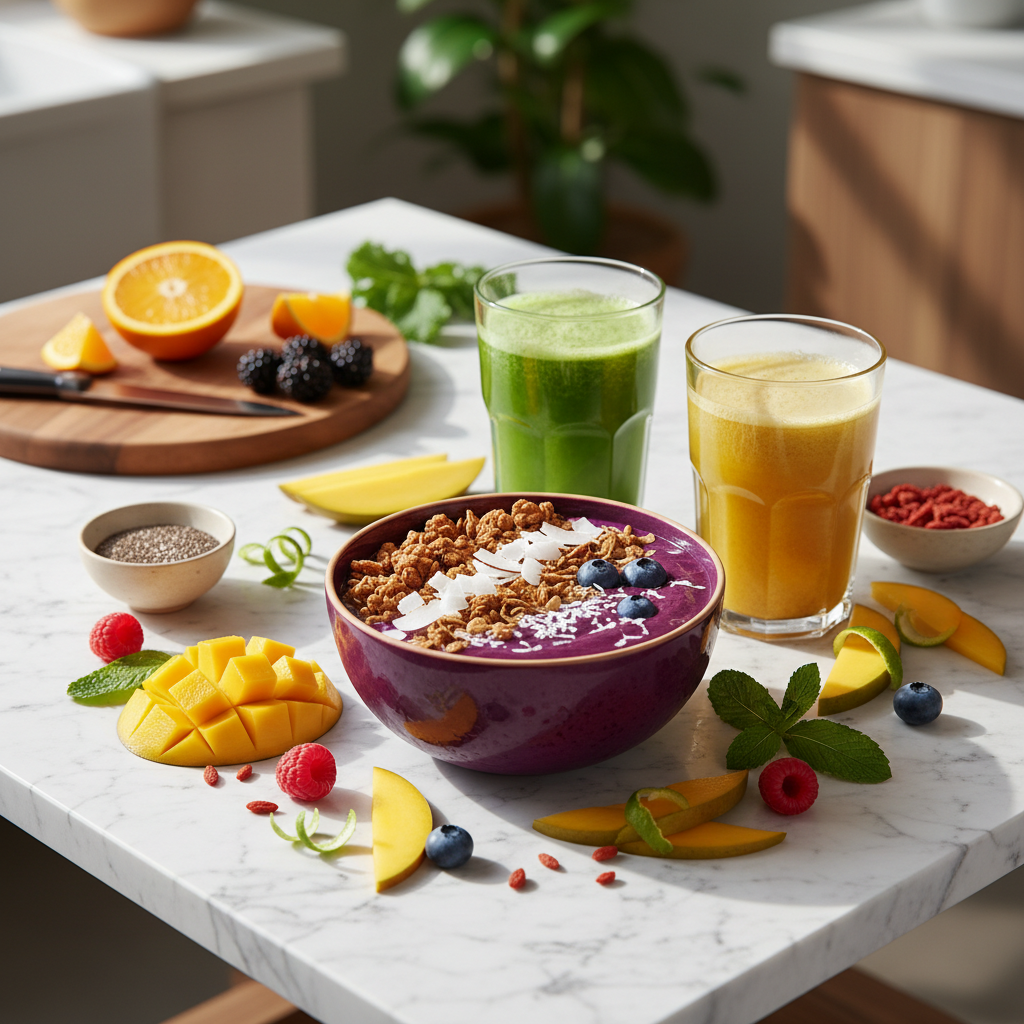
While grabbing a candy bar or a pack of cookies might seem convenient, these foods are high in refined sugars that can lead to a rapid spike in blood sugar levels. Although this might provide a temporary energy boost, it is often followed by a crash, leaving athletes feeling sluggish and tired. Instead of sugary snacks, athletes should opt for natural sugars found in fruits.

Fried Foods
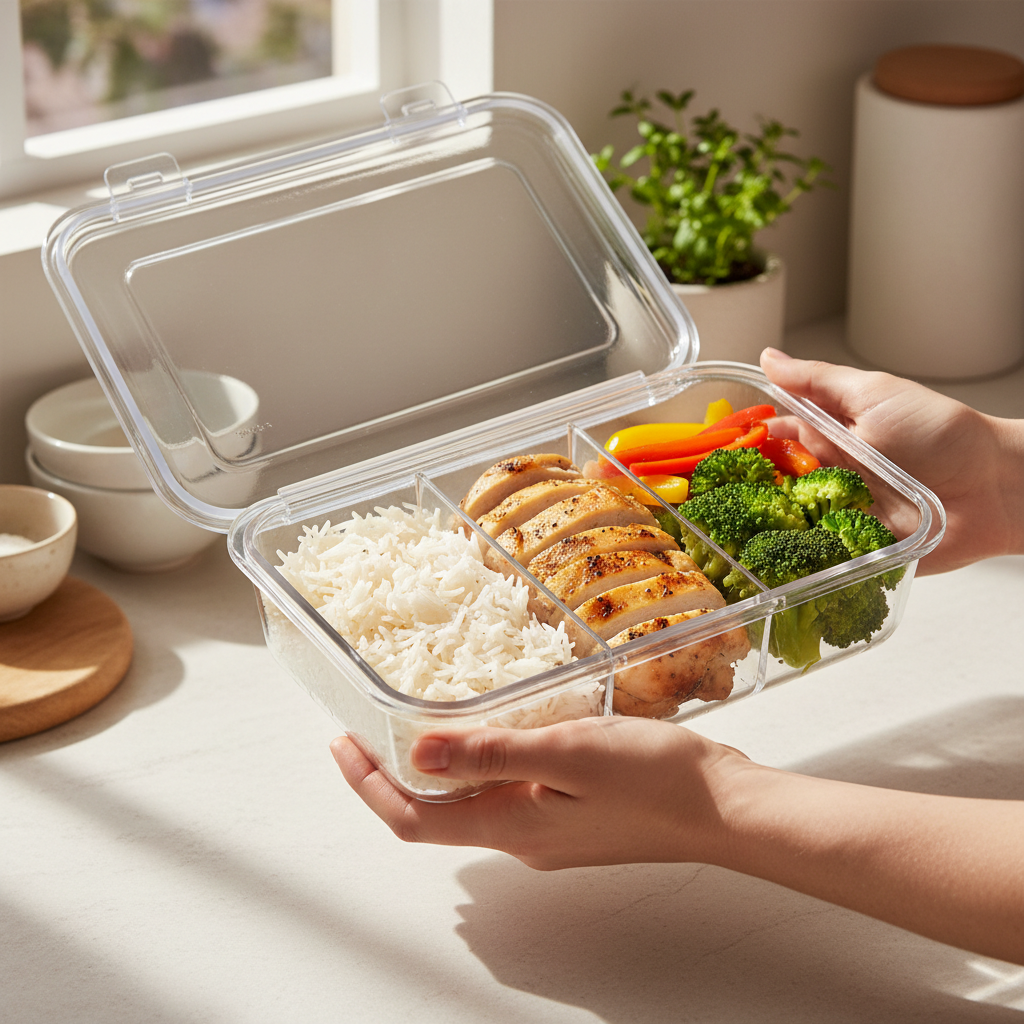
Fried foods are typically high in unhealthy fats and are difficult for the body to digest. Consuming these foods can lead to feelings of lethargy and decreased performance due to their heavy, greasy nature. High school athletes should avoid fried foods and instead choose grilled or baked options to maintain optimal energy levels.
Carbonated Beverages
Soft drinks and other carbonated beverages are often loaded with caffeine and sugar, which can lead to dehydration and reduced stamina. Dehydration is a significant concern for athletes as it can impair physical performance and increase the risk of cramps and injuries. Water, natural fruit juices, or sports drinks with electrolytes are better alternatives.
White Bread and Refined Grains
White bread and other refined grains offer little nutritional value and can lead to spikes in blood sugar levels similar to sugary snacks. These foods lack the fiber and nutrients found in whole grains, which are essential for sustained energy. Athletes should focus on whole grain options like brown rice, whole wheat bread, and oats for long-lasting energy.
High-Sodium Foods
Many athletes unknowingly consume high-sodium foods such as processed meats, canned soups, and fast food. Excessive sodium can lead to increased blood pressure and dehydration, both of which can adversely affect athletic performance. Opting for fresh, home-cooked meals with natural seasonings can help control sodium intake and improve overall health.
Conclusion: Making Smart Choices
For high school athletes, making smart dietary choices is crucial for optimal performance. By avoiding processed sugary snacks, fried foods, carbonated beverages, refined grains, and high-sodium foods, athletes can enhance their energy levels, improve recovery times, and maintain peak physical condition. Remember, what you put into your body is just as important as the effort you put into your training.