Building a Balanced Meal Plan: A Guide for Student Athletes


For student athletes, maintaining peak performance requires more than just rigorous training; it demands a well-structured meal plan. A balanced diet fuels the body, aids in recovery, and supports overall health. Here's how you can build a meal plan that meets your athletic and academic needs.

Understanding Macronutrients
Macronutrients are the building blocks of any diet. For athletes, the right balance of these nutrients is crucial. Carbohydrates provide the primary source of energy. Aim for whole grains like brown rice and oats. Proteins are essential for muscle repair and growth, with sources like lean meats, beans, and eggs. Fats are also vital, offering sustained energy and supporting cell growth. Include healthy fats like avocado and nuts.
Carbohydrates: Your Energy Source
Carbohydrates should form the foundation of your diet, especially before training sessions. Quick options like bananas or a slice of whole-grain toast can be effective pre-workout snacks. Post-exercise, replenish glycogen stores with complex carbs such as sweet potatoes or quinoa.
Protein for Recovery
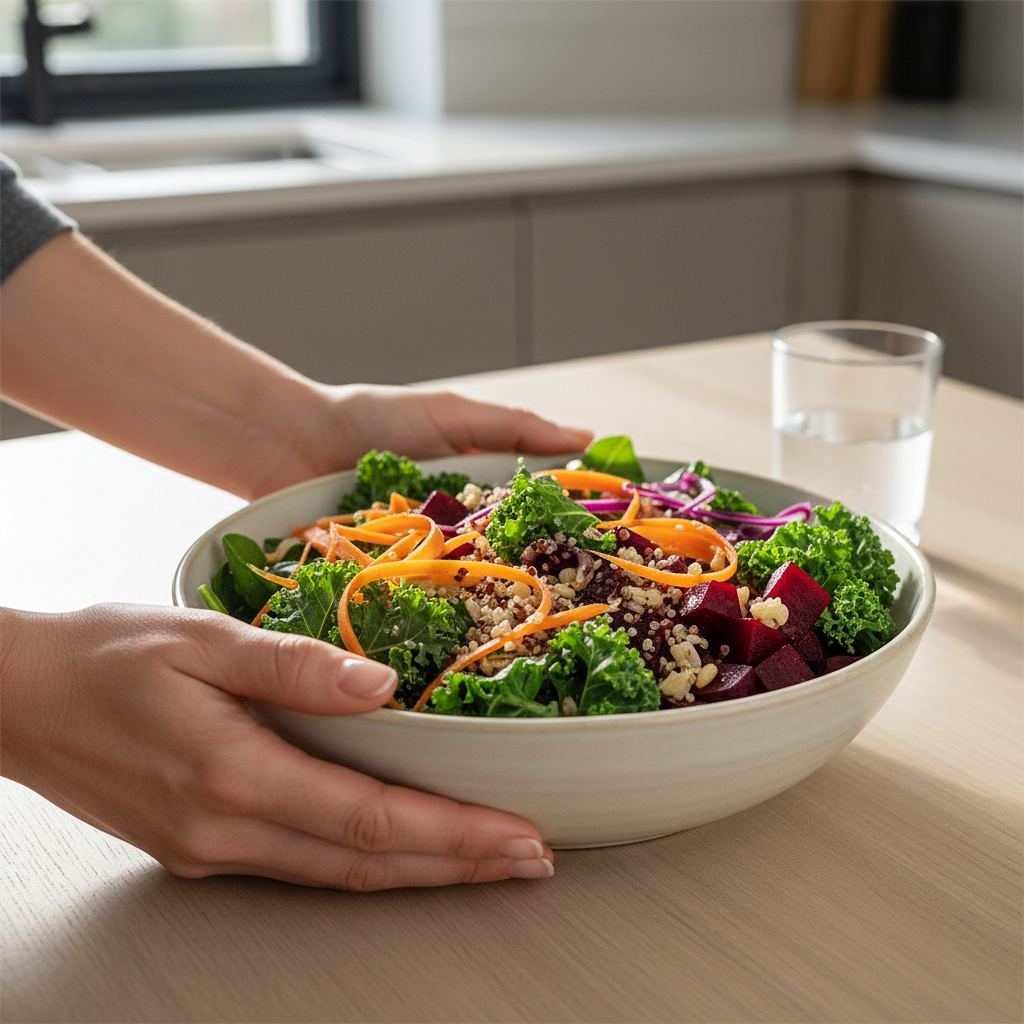
After intense workouts, protein helps in repairing and building muscles. Incorporate a source of protein in every meal. Options include chicken breast, tofu, or Greek yogurt. Don't forget the role of protein in snacks too – a handful of almonds or a protein shake can make a significant difference.
Micronutrients Matter
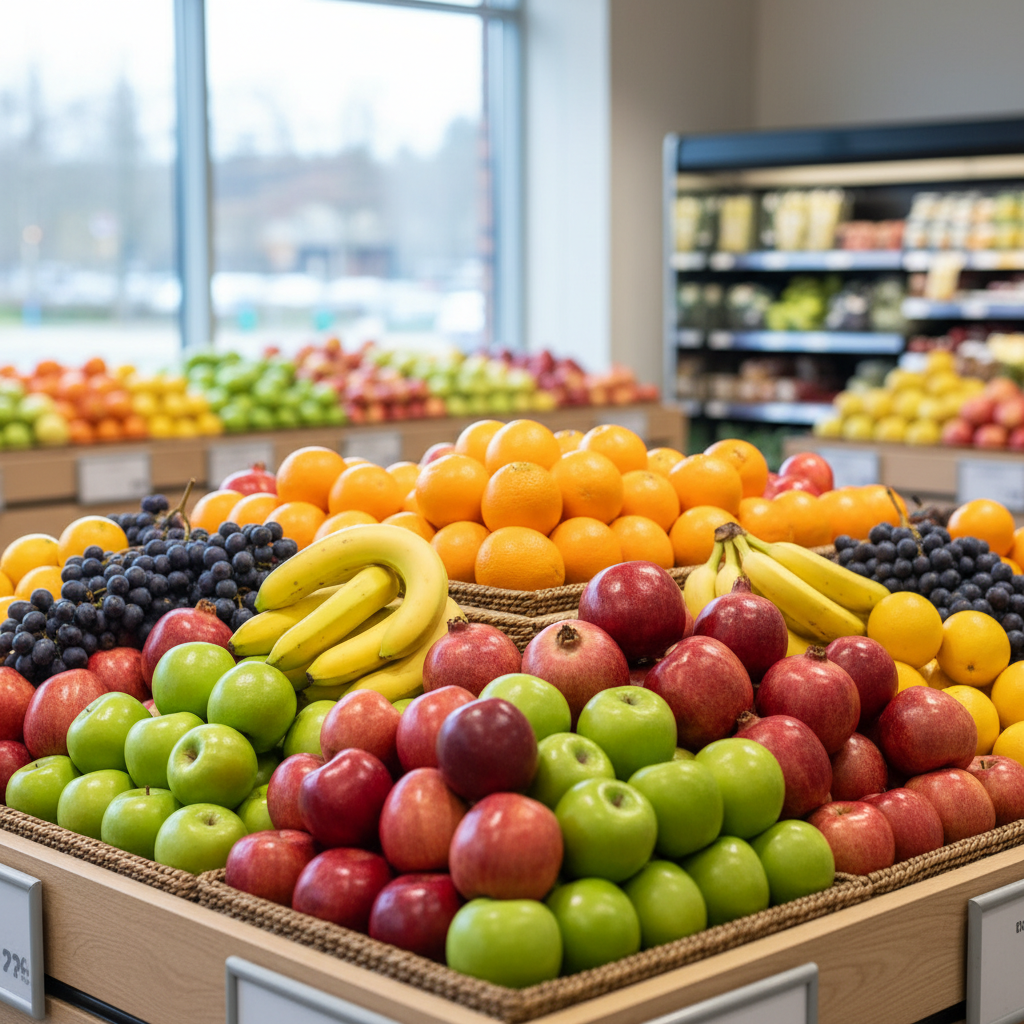
While macronutrients often take the spotlight, micronutrients shouldn't be overlooked. Vitamins and minerals play critical roles in energy production, bone health, and immune function. Opt for a variety of fruits and vegetables to cover your micronutrient needs.
Hydration is Key
Proper hydration is crucial for performance and recovery. Drink water throughout the day, and consider sports drinks during longer training sessions to replace lost electrolytes. Monitoring your urine color can be a simple way to ensure you're adequately hydrated.
Planning Your Meals
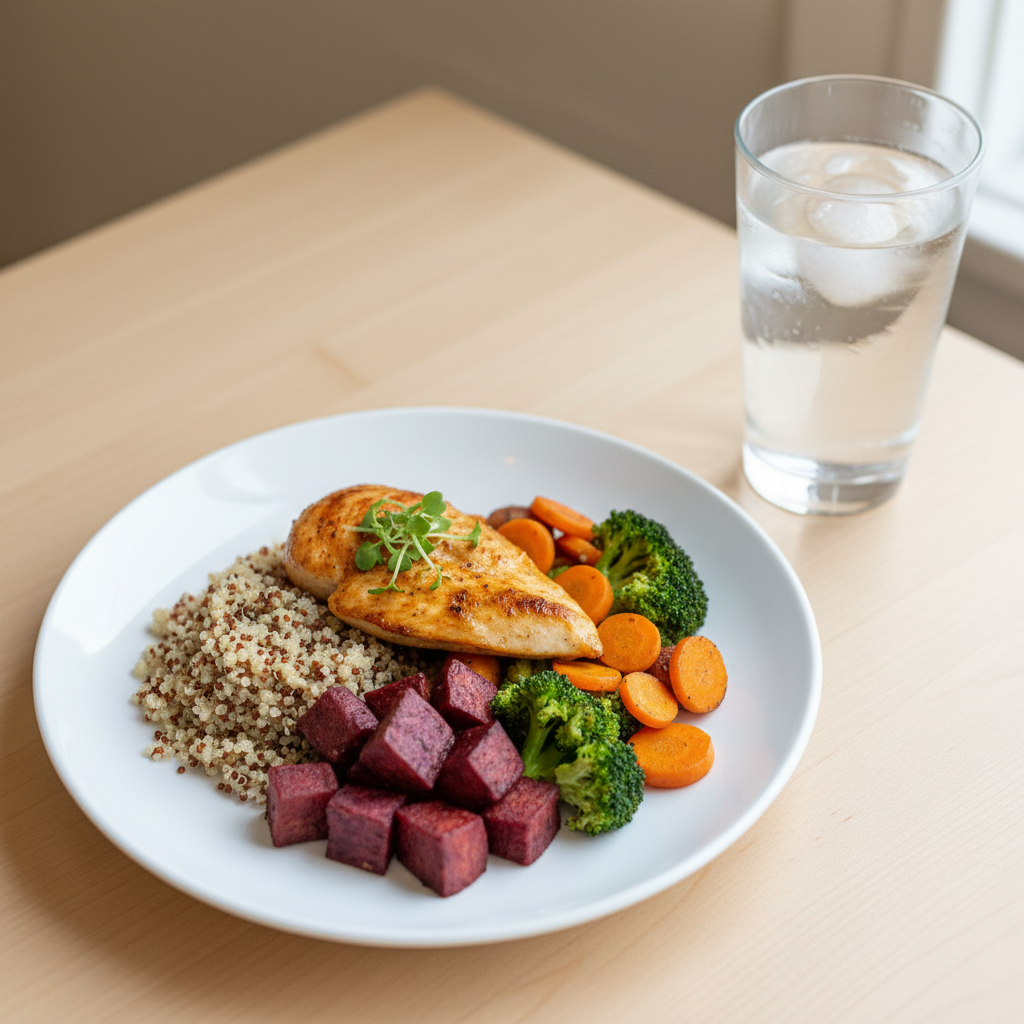
Creating a meal plan doesn't have to be complicated. Start by dividing your plate into three sections: half for vegetables and fruits, a quarter for lean proteins, and a quarter for whole grains. This simple strategy ensures a balanced intake of nutrients.
Snacking Smart
Snacks are an essential part of an athlete’s diet. They help maintain energy levels and prevent overeating at mealtimes. Choose snacks that combine protein and carbohydrates, like apple slices with peanut butter or a small yogurt with berries.
Consistency Over Perfection
Remember, building a balanced meal plan is about consistency, not perfection. Listen to your body and adjust your diet based on your performance and energy levels. By prioritizing nutrition, you’re setting yourself up for success both on and off the field.