From Science to Practice: How Nutrition Affects Muscle Memory in Athletes


Understanding Muscle Memory
Muscle memory refers to the ability of our muscles to perform specific tasks unconsciously, thanks to repetitive practice. For athletes, this capability is crucial as it allows them to execute complex movements with precision and ease. But how does nutrition play a role in enhancing muscle memory? Let’s delve deeper into this fascinating intersection of science and practice.

The Role of Nutrition in Muscle Function
Nutrition is fundamental to overall muscle function. It provides the energy needed for training and recovery and supports the physiological processes involved in muscle adaptation. Proteins, carbohydrates, and fats are the primary macronutrients that fuel these processes. Consuming the right balance of these nutrients can significantly impact an athlete's muscle memory development.
Proteins are essential for repairing and building muscle tissues. Amino acids, the building blocks of proteins, facilitate muscle recovery after intense workouts, thereby enhancing the body's ability to retain muscle memory. Meanwhile, carbohydrates serve as the primary energy source during physical activities, ensuring that athletes have the stamina to practice repetitively.
Micronutrients Matter
While macronutrients are crucial, micronutrients play a supportive role in muscle memory. Vitamins and minerals like Vitamin D, calcium, and magnesium are vital for muscle contraction and nerve function. These micronutrients assist in the biochemical reactions that occur during muscle movement and recovery.

Hydration and Muscle Performance
Hydration is another key factor influencing muscle memory in athletes. Dehydration can impair concentration, coordination, and overall performance. Proper water intake ensures that muscles remain supple and responsive, allowing athletes to execute movements with precision.
Incorporating electrolytes into a hydration strategy can further enhance performance. Electrolytes help maintain the balance of fluids in your body, which is essential for muscle contractions and nerve signaling.
The Science Behind Muscle Memory and Diet
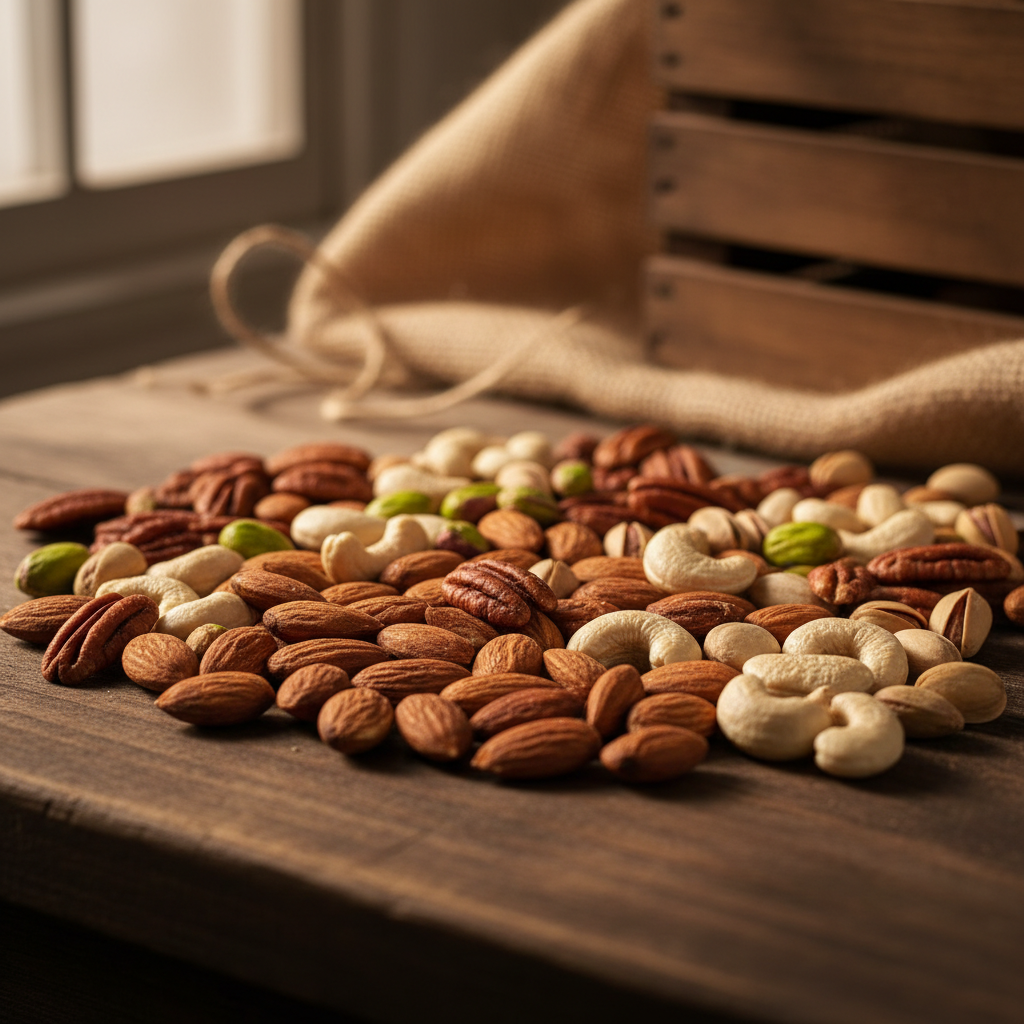
Recent studies have shown that a diet rich in antioxidants can reduce oxidative stress on muscles during intense physical activities. This reduction in stress helps in quicker recovery, allowing for more frequent and effective training sessions. Antioxidant-rich foods include berries, nuts, and leafy greens.
Implementing Nutritional Strategies
Athletes can benefit from personalized nutritional plans that align with their specific training regimens. Consulting with a sports nutritionist can provide insights into the ideal dietary balance, taking into account the athlete's goals, body composition, and training intensity.
- Pre-workout nutrition: Focus on easily digestible carbohydrates and moderate protein.
- Post-workout recovery: Emphasize protein intake to aid muscle repair.
- Daily nutrition: Maintain a balanced diet rich in both macro and micronutrients.
Conclusion
The relationship between nutrition and muscle memory in athletes is a testament to the complexity and adaptability of the human body. By understanding and implementing effective nutritional strategies, athletes can enhance their muscle memory, leading to improved performance and success in their respective sports.