Fueling Young Athletes: A Guide to Balanced Meals


Introduction to Balanced Nutrition
For young athletes, maintaining a balanced diet is crucial for both performance and overall health. Proper nutrition fuels their bodies, helps in recovery, and supports growth. A well-rounded diet ensures they have the energy and nutrients necessary to excel in their sport.

The Importance of Macronutrients
Macronutrients, including carbohydrates, proteins, and fats, play a vital role in an athlete's diet. They provide the energy required for training and recovery. Carbohydrates are the primary energy source, while proteins are essential for muscle repair and growth. Fats, though often misunderstood, are crucial for hormone production and overall health.
Young athletes should focus on consuming a mix of complex carbohydrates, lean proteins, and healthy fats. Examples include whole grains, lean meats, fish, nuts, seeds, and avocados. This combination ensures sustained energy levels and optimal body function.
Meal Timing and Frequency
When it comes to young athletes, meal timing and frequency can significantly impact performance. Eating regular meals and snacks throughout the day helps maintain energy levels and prevents fatigue. It's important to have a balanced meal 3-4 hours before training and a light snack 30-60 minutes prior.
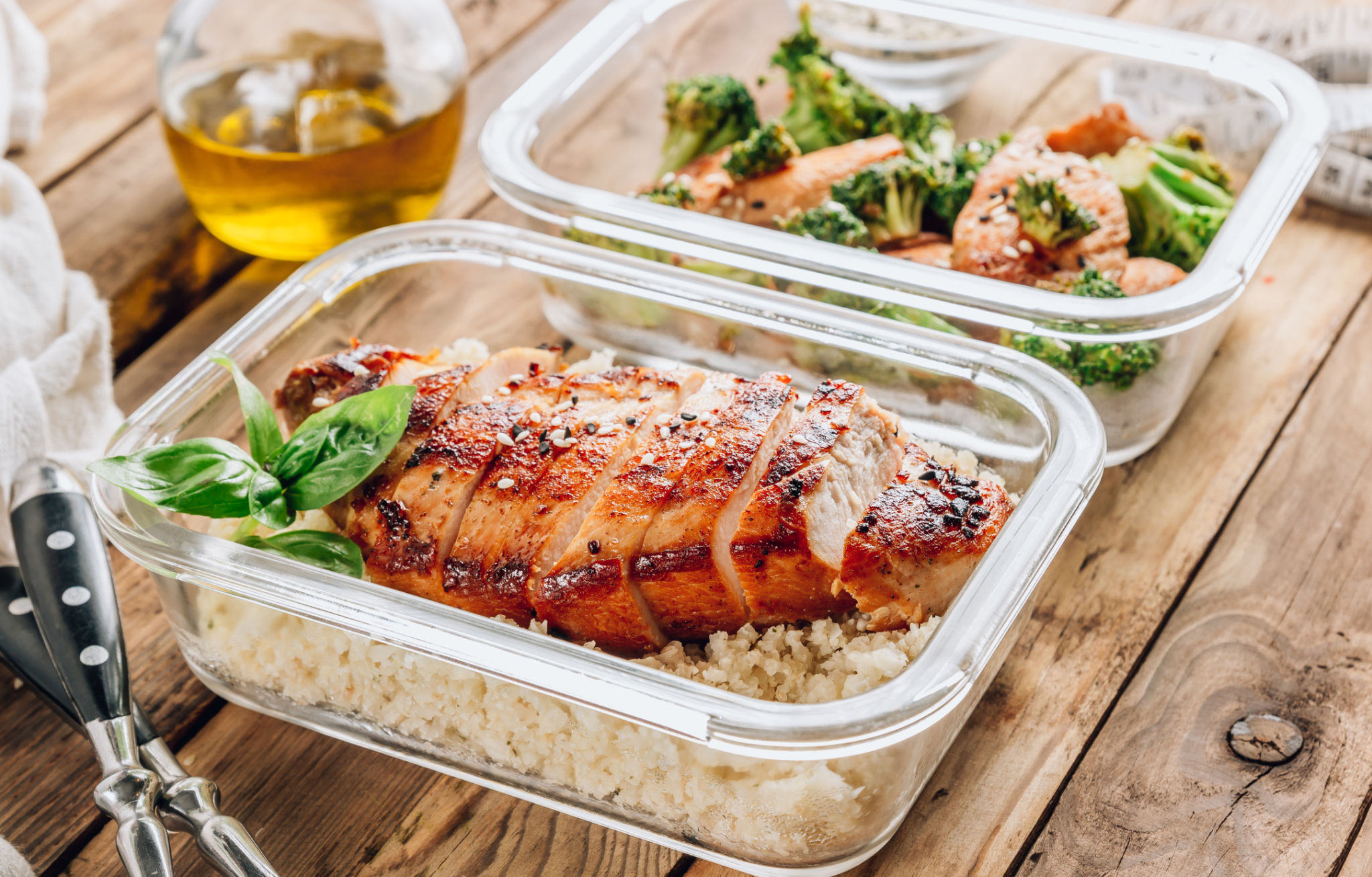
Post-exercise nutrition is equally important. Consuming a mix of carbohydrates and protein within 30 minutes to 2 hours after training aids in recovery and muscle repair. This can be as simple as a smoothie with fruits and yogurt or a sandwich with lean protein.
Hydration: The Key to Performance
Hydration is often overlooked, but it's a critical component of an athlete's diet. Dehydration can lead to decreased performance, increased fatigue, and a higher risk of injury. Young athletes should aim to drink water regularly throughout the day and increase intake before, during, and after exercise.
Encourage them to listen to their bodies and drink when thirsty. In addition to water, sports drinks can be beneficial during intense workouts to replenish electrolytes.

Building a Balanced Meal Plan
Creating a balanced meal plan for young athletes doesn't have to be complicated. Start by ensuring each meal includes a source of carbohydrates, protein, and fat. Here's a simple example:
- Breakfast: Whole grain toast with peanut butter, a banana, and a glass of milk.
- Lunch: Grilled chicken salad with mixed greens, quinoa, and a vinaigrette dressing.
- Dinner: Baked salmon, brown rice, and steamed vegetables.
- Snacks: Greek yogurt with berries or nuts, cheese sticks, or hummus with carrots.
Final Thoughts
Fueling young athletes with balanced meals is essential for their success and well-being. By focusing on diverse macronutrients, proper meal timing, and hydration, you can help them achieve their athletic goals. Encourage them to listen to their bodies and make nutrition a priority.
With the right diet, young athletes can enhance their performance, recover effectively, and stay healthy. Remember, the foundation of success starts with what they put on their plate.