Healthy Eating Habits for High School Athletes: A Comprehensive Guide


Introduction to Healthy Eating for Athletes
High school athletes require a balanced diet to fuel their bodies and enhance performance. Proper nutrition supports energy levels, aids recovery, and promotes overall health. In this guide, we'll explore essential eating habits that can help young athletes reach their peak potential.
Understanding Nutritional Needs
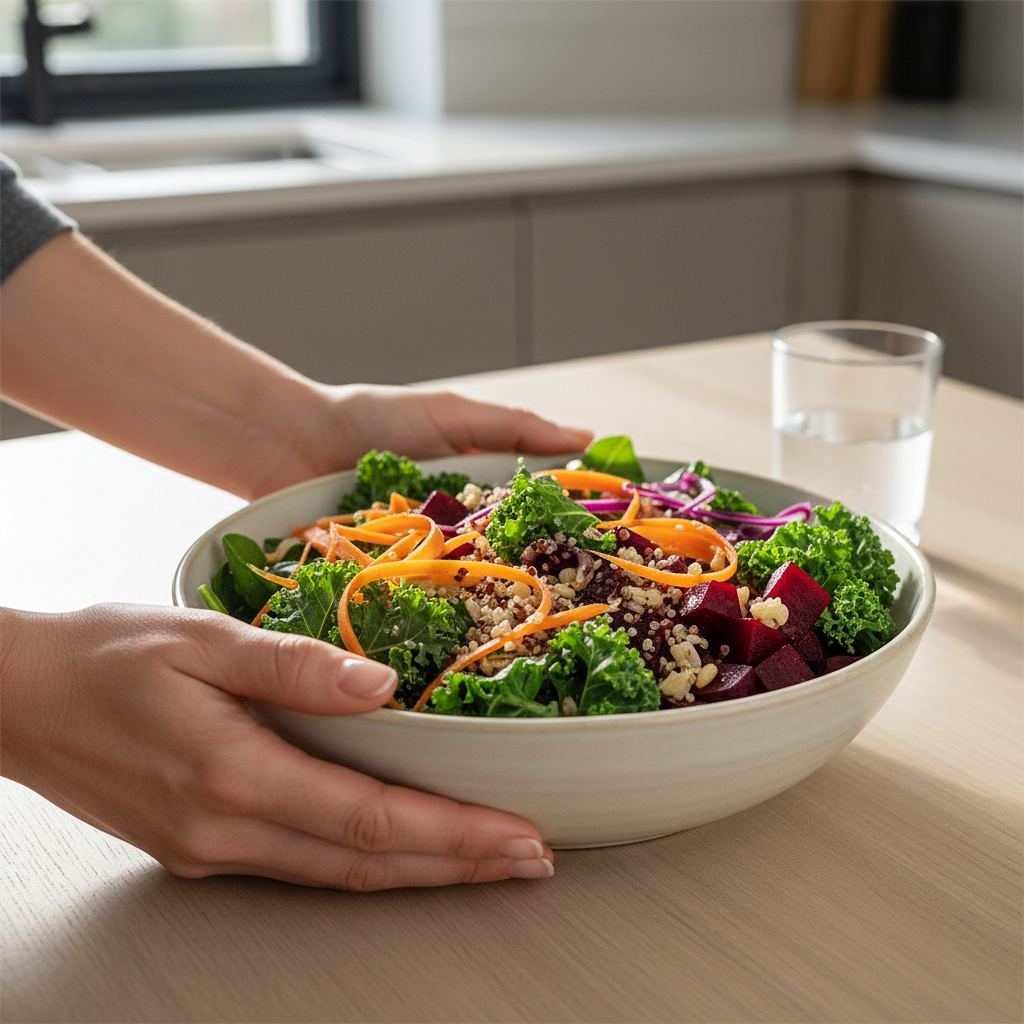
Athletes need more calories than non-athletes, but those calories should come from nutritious sources. The diet should include a balance of macronutrients: carbohydrates, proteins, and fats. Carbohydrates are the primary energy source, while proteins are crucial for muscle repair and growth. Healthy fats are important for maintaining long-term energy.
Carbohydrates: The Energy Source
Carbohydrates should make up about 50-60% of an athlete's diet. Foods like whole grains, fruits, and vegetables provide sustained energy. Before a game or practice, consuming complex carbs can help maintain endurance.

Proteins for Muscle Repair
Protein intake is vital for athletes, making up about 15-20% of their diet. Sources like lean meats, beans, and nuts are excellent choices. Consuming protein after exercise helps in muscle recovery and growth.
Importance of Hydration
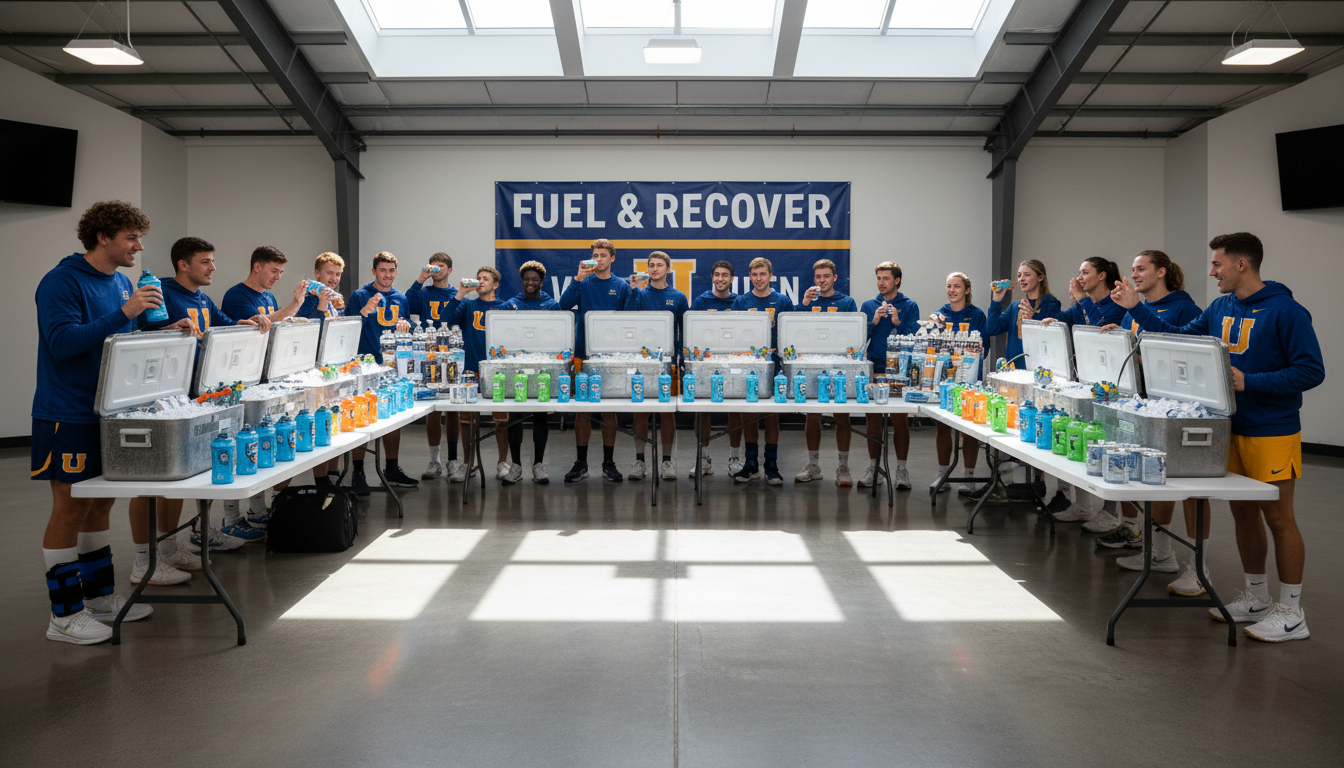
Staying hydrated is critical for athletic performance. Dehydration can lead to fatigue and decreased performance. Athletes should drink water before, during, and after exercise. In some cases, sports drinks can be beneficial to replenish electrolytes lost through sweat.
Meal Timing and Frequency
Eating regularly is key to maintaining energy levels. Athletes should aim for three main meals and several snacks throughout the day. Eating a balanced meal 2-3 hours before exercise and a light snack 30 minutes prior can optimize performance.
Supplements: Are They Necessary?
While whole foods should be the primary source of nutrients, some athletes may consider supplements. It's important to consult with a healthcare professional before starting any supplementation. In most cases, a well-rounded diet will suffice.

Creating a Balanced Meal Plan
Planning meals ahead of time can ensure athletes get the nutrients they need. A simple meal plan might include oatmeal with fruit for breakfast, a turkey sandwich with veggies for lunch, and grilled chicken with quinoa for dinner. Snacks like yogurt, nuts, or fruit can be included between meals.
By adopting these healthy eating habits, high school athletes can enhance their performance, recover efficiently, and maintain overall well-being. Prioritizing nutrition sets the foundation for success on and off the field.