Healthy Eating Habits for Young Athletes: A Parent's Guide


Understanding Nutritional Needs
Young athletes have unique nutritional needs that support their active lifestyles and growing bodies. Ensuring they receive the right balance of carbohydrates, proteins, and fats is essential for optimal performance and development. Carbohydrates provide the primary source of energy, while proteins are crucial for muscle repair and growth. Healthy fats are vital for brain development and overall health.
Importance of Hydration
Staying hydrated is critical for young athletes, as dehydration can lead to decreased performance and increased risk of injury. Encourage your child to drink water throughout the day and especially before, during, and after exercise. Sports drinks can be beneficial during intense activities lasting over an hour, as they replenish electrolytes lost through sweat.
Building Balanced Meals
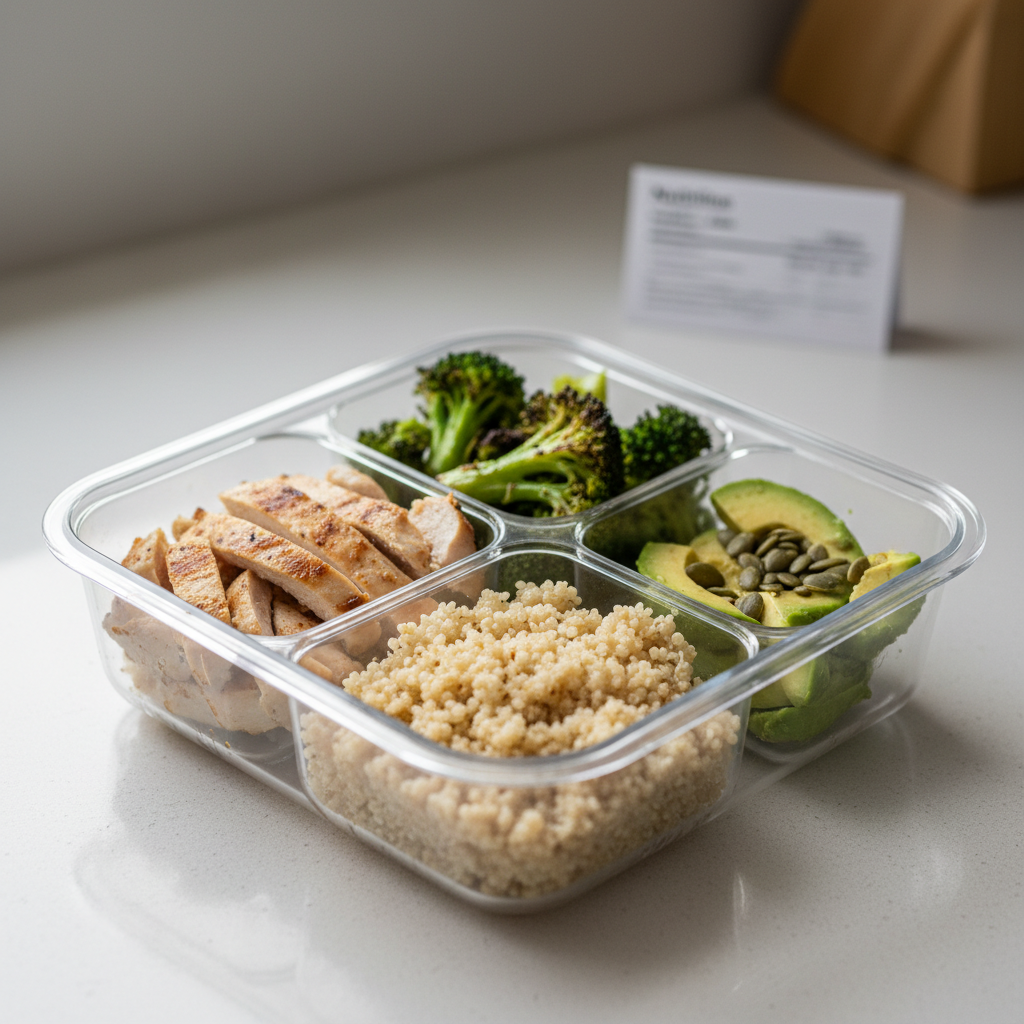
Creating balanced meals is key to supporting an athlete’s energy levels and recovery. A typical meal should include a source of lean protein, whole grains, and plenty of fruits and vegetables. Snacks are also important and can include items like yogurt, nuts, or fruit to maintain energy levels between meals.

Pre- and Post-Exercise Nutrition
What young athletes eat before and after exercise can significantly impact their performance and recovery. Before a workout, provide a meal or snack rich in carbohydrates and moderate in protein. After exercise, focus on replenishing energy stores and repairing muscles with a combination of protein and carbohydrates.
Encouraging Healthy Habits
Encouraging healthy eating habits is not just about the food itself but also about creating a positive attitude towards nutrition. Involve your child in meal planning and preparation to teach them about different food groups and their benefits. This helps them make informed choices as they grow.

Dealing with Dietary Restrictions
If your child has dietary restrictions, it’s essential to ensure they still receive adequate nutrition. Work with a nutritionist to find suitable alternatives that meet their nutritional requirements. Many plant-based proteins and gluten-free grains can provide the necessary nutrients without compromising on performance.
Monitoring Progress and Adjusting
Regularly assess your child’s energy levels, performance, and overall health to ensure they are benefiting from their nutrition plan. Be open to adjusting their diet as needed, especially as they grow and their activity levels change. Keep communication open and encourage feedback on how they feel about their meals and snacks.