How Food Choices Impact Athletic Performance: What Every Young Athlete Needs to Know


The Importance of Nutrition for Young Athletes
When it comes to athletic performance, nutrition plays a vital role. Young athletes need to understand that their food choices can significantly impact their energy levels, recovery times, and overall performance. Eating the right foods can help them train harder, recover faster, and reduce the risk of injury.

Fueling the Body with Carbohydrates
Carbohydrates are the primary source of energy for athletes. They provide the fuel needed for high-intensity activities and endurance sports. Young athletes should focus on consuming complex carbohydrates like whole grains, fruits, and vegetables to maintain energy levels throughout their training sessions.
Simple carbohydrates, such as those found in sugary snacks, should be consumed sparingly. These can lead to quick energy spikes followed by crashes, which are not ideal for sustained athletic performance.
The Role of Proteins in Muscle Recovery
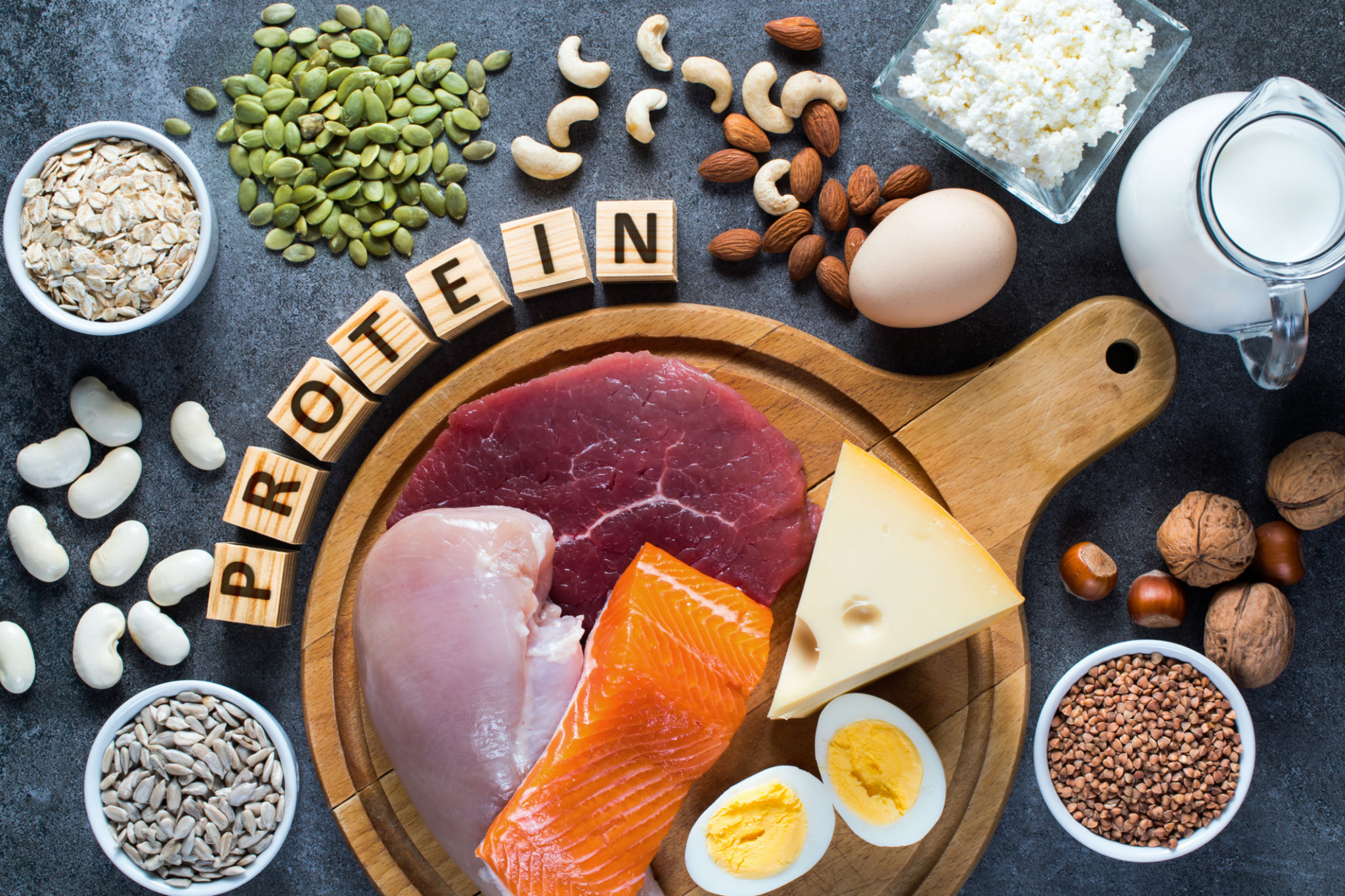
Protein is crucial for muscle recovery and growth. Young athletes should ensure they are getting enough protein from sources such as lean meats, fish, eggs, dairy, and plant-based options like beans and lentils. Consuming protein post-workout can aid in muscle repair and help build strength over time.
Don't Forget Healthy Fats
While carbohydrates and proteins often take center stage, healthy fats are also essential. Fats provide a concentrated source of energy and support various bodily functions, including hormone production. Incorporate healthy fats like avocados, nuts, seeds, and olive oil into your diet for optimal performance.
Young athletes should aim to balance their fat intake, focusing on sources rich in omega-3 fatty acids, which have anti-inflammatory properties beneficial for recovery.
Hydration: The Unsung Hero
Staying hydrated is just as important as eating the right foods. Water is critical for maintaining body temperature, removing waste, and transporting nutrients. Young athletes should drink water before, during, and after exercise to prevent dehydration, which can lead to fatigue and decreased performance.

Timing Your Meals for Peak Performance
Meal timing can make a big difference in how athletes perform. Eating a balanced meal 2-3 hours before exercise can provide the necessary energy without causing discomfort. For quick energy, a small snack 30-60 minutes before activity can be beneficial.
Post-exercise, a combination of carbohydrates and protein should be consumed within 30 minutes to replenish energy stores and aid in muscle recovery.
Supplements: Do Young Athletes Need Them?
While a balanced diet typically provides all the necessary nutrients, some young athletes might consider supplements. However, supplements should not replace whole foods. Always consult with a healthcare professional before introducing supplements to ensure they are necessary and safe.

Creating a Personalized Nutrition Plan
Every athlete is different, and what works for one may not work for another. Young athletes should consider working with a nutritionist or dietitian to create a personalized nutrition plan that meets their specific needs and goals. This plan should take into account the type of sport, individual metabolism, and dietary preferences.
By understanding and applying these nutrition principles, young athletes can enhance their performance and achieve their athletic goals more effectively.