How Hydration Impacts Athletic Performance and Muscle Memory


The Importance of Hydration in Athletic Performance
Staying hydrated is crucial for athletes aiming to perform at their best. Water plays a vital role in regulating body temperature, transporting nutrients, and removing waste. When athletes become dehydrated, their physical performance can decline significantly. This decline is due to a reduction in blood volume, which makes the heart work harder to pump blood throughout the body.
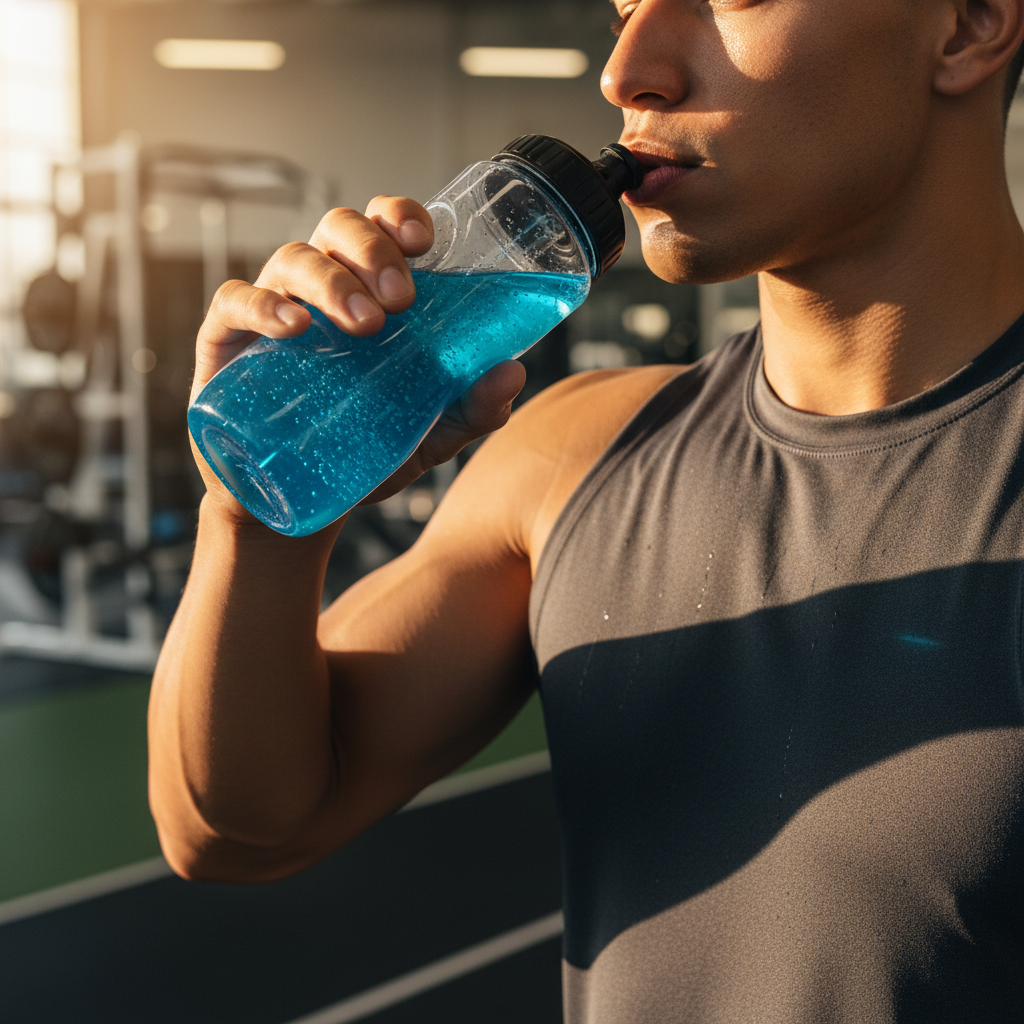
Research shows that losing just 2% of your body weight due to dehydration can lead to noticeable drops in performance. For endurance athletes, this can mean the difference between winning and losing. Hydration keeps muscles lubricated and joints cushioned, helping to prevent injuries and maintain peak performance levels.
How Hydration Affects Muscle Memory
Muscle memory is the brain’s ability to remember muscle movements even after long periods without practice. Proper hydration is essential for maintaining and enhancing this capability. When muscles are well-hydrated, they function more efficiently, allowing athletes to repeat specific movements with precision and ease.
Dehydration can lead to muscle cramps and fatigue, which hinder the development of muscle memory. This is because water is critical in the delivery of electrolytes, which are essential for muscle contraction and nerve function. Without adequate hydration, these processes slow down, impacting the ability to retain muscle memory.

Hydration Strategies for Athletes
To optimize hydration, athletes should adopt specific strategies. Here are some effective tips:
- Drink water throughout the day, not just during workouts.
- Incorporate electrolyte-rich beverages when training for extended periods.
- Monitor urine color as an indicator of hydration status; pale yellow is ideal.
Pre-hydrating before events can also enhance performance. Consuming 16-20 ounces of water about two hours before exercise allows the body to absorb fluids effectively. During activity, athletes should aim to drink 7-10 ounces every 10 to 20 minutes.
The Role of Hydration in Recovery
Post-exercise hydration is just as important as pre-exercise hydration. It aids in the recovery process by replenishing fluids lost through sweat and helps in reducing muscle soreness. Proper hydration supports the body’s ability to repair tissues and build strength, ensuring athletes are ready for their next session.
Including hydrating foods such as fruits and vegetables in your diet can also contribute to maintaining optimal hydration levels. Foods like watermelon, cucumbers, and oranges are not only refreshing but also packed with essential nutrients.
Conclusion
Hydration is a key element in achieving and maintaining top athletic performance and muscle memory. By understanding and implementing effective hydration strategies, athletes can enhance their physical capabilities and reduce the risk of injury. Remember, staying hydrated is not just about drinking water; it’s about maintaining a balance that supports overall health and athletic success.