How Proper Hydration Techniques Boost Athletic Performance


The Importance of Hydration in Athletics
Proper hydration is a critical component of athletic performance. Athletes who maintain optimal hydration levels often experience enhanced endurance, strength, and recovery times. Water is essential for maintaining body temperature, removing waste, and lubricating joints, all of which contribute to peak performance.
Dehydration, on the other hand, can lead to fatigue, reduced coordination, and muscle cramps. Even losing as little as 2% of your body weight through sweat can significantly impair physical performance. Therefore, understanding and implementing effective hydration techniques is crucial for athletes at all levels.
Understanding Your Hydration Needs
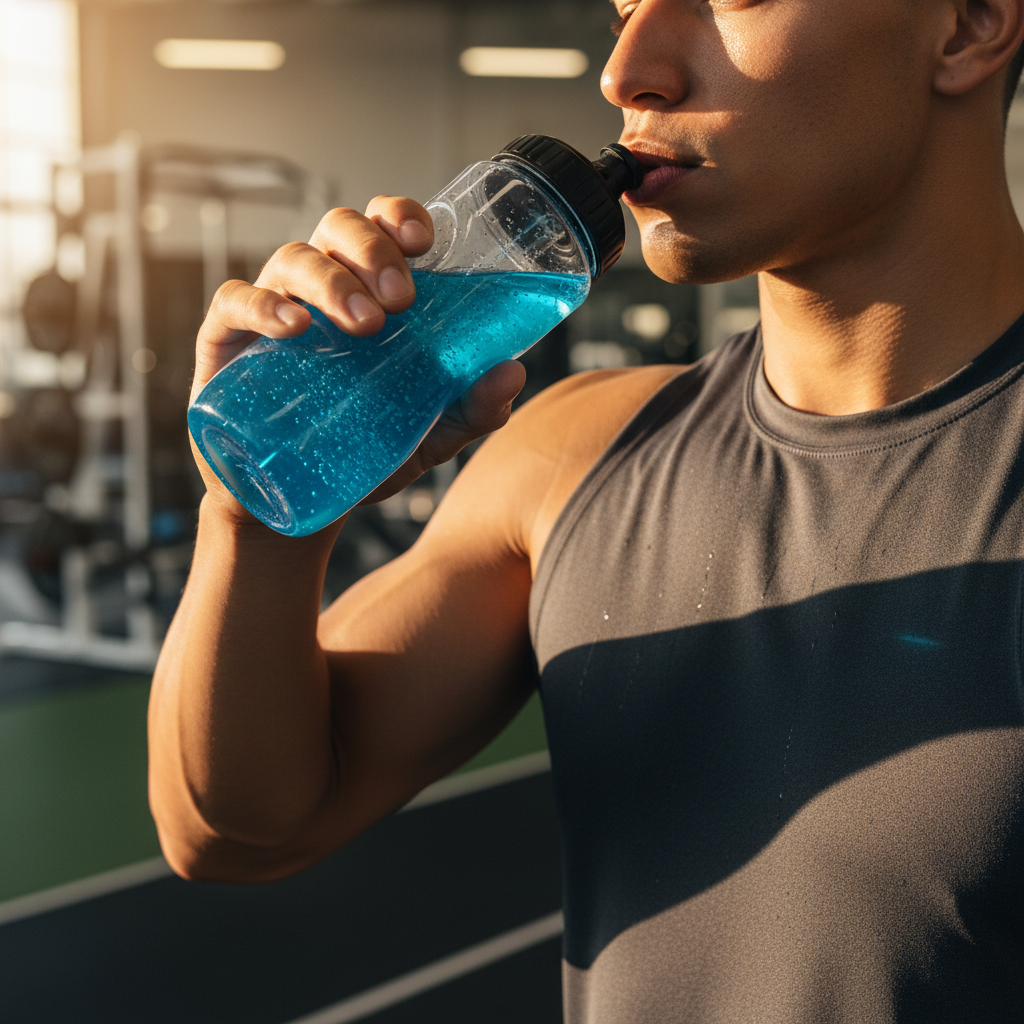
Individual hydration needs can vary based on several factors, including body size, workout intensity, and environmental conditions. Athletes should be aware of their personal sweat rate, which can be calculated by measuring body weight before and after exercise. This helps in determining the exact amount of fluid lost during activities.
It’s also essential to pay attention to thirst cues and the color of urine, both of which can be indicators of hydration status. Pale yellow urine usually signifies proper hydration, while darker shades may indicate dehydration.
Pre-Exercise Hydration Strategies
Proper hydration should begin well before exercise. Athletes are advised to drink about 17 to 20 ounces of water 2 to 3 hours before physical activity. Consuming an additional 8 ounces of water 20 to 30 minutes before starting exercise can further optimize hydration levels.

In addition to water, sports drinks can be beneficial, especially for prolonged activities. These drinks contain electrolytes like sodium and potassium, which help maintain fluid balance and muscle function.
Hydration During Exercise
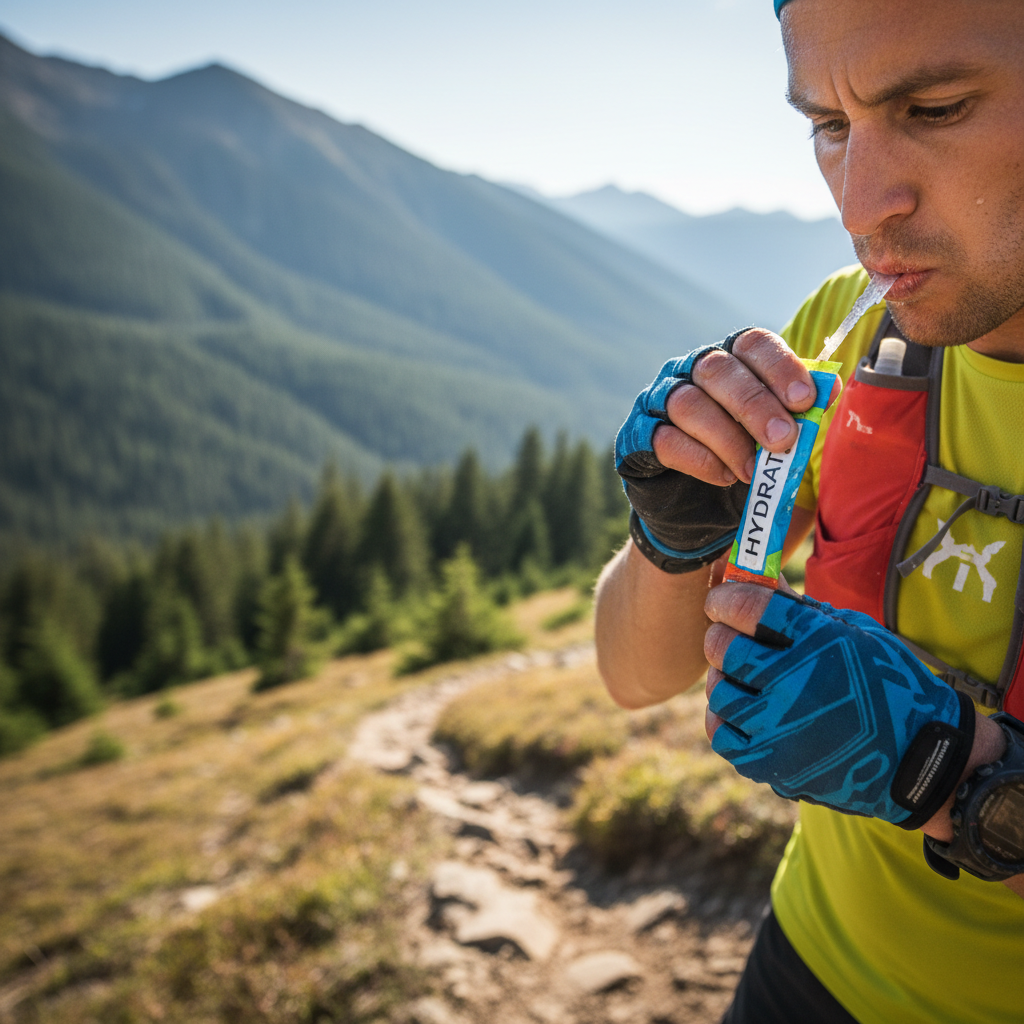
Maintaining hydration during exercise is crucial for performance and safety. Athletes should aim to drink 7 to 10 ounces of fluid every 10 to 20 minutes during activity. For exercises lasting longer than an hour, sports drinks can provide necessary electrolytes and carbohydrates.
It's important to avoid overhydration, which can lead to a dangerous condition called hyponatremia. This occurs when sodium levels in the blood become too diluted, causing symptoms like nausea and confusion.
Post-Exercise Hydration
Rehydrating after exercise is essential for recovery. Athletes should aim to drink 16 to 24 ounces of fluid for every pound lost during exercise. This helps to replace lost fluids and electrolytes and aids in muscle recovery.
Including hydrating foods such as fruits and vegetables can also contribute to fluid intake and provide vital nutrients that support recovery.
Hydration and Performance Enhancement
Research consistently shows that well-hydrated athletes perform better. Proper hydration improves concentration, reduces the risk of injury, and enhances overall athletic performance. It is a simple yet powerful way to gain an edge in any sport.
By understanding and implementing these hydration strategies, athletes can ensure they perform at their best, regardless of the conditions or the demands of their sport.