How to Build a Balanced Meal Plan for High School Athletes


Understanding the Nutritional Needs of High School Athletes
High school athletes have unique nutritional needs due to their active lifestyles. Proper nutrition is essential for maintaining energy levels, enhancing performance, and supporting growth and development. A balanced meal plan can help athletes achieve these goals by providing the right mix of carbohydrates, proteins, and fats.
Carbohydrates are the primary energy source for athletes. They should make up about 50-60% of an athlete's diet. Protein is crucial for muscle repair and growth, while fats provide a concentrated energy source. It's important to balance these macronutrients to fuel both training and recovery.

Components of a Balanced Meal Plan
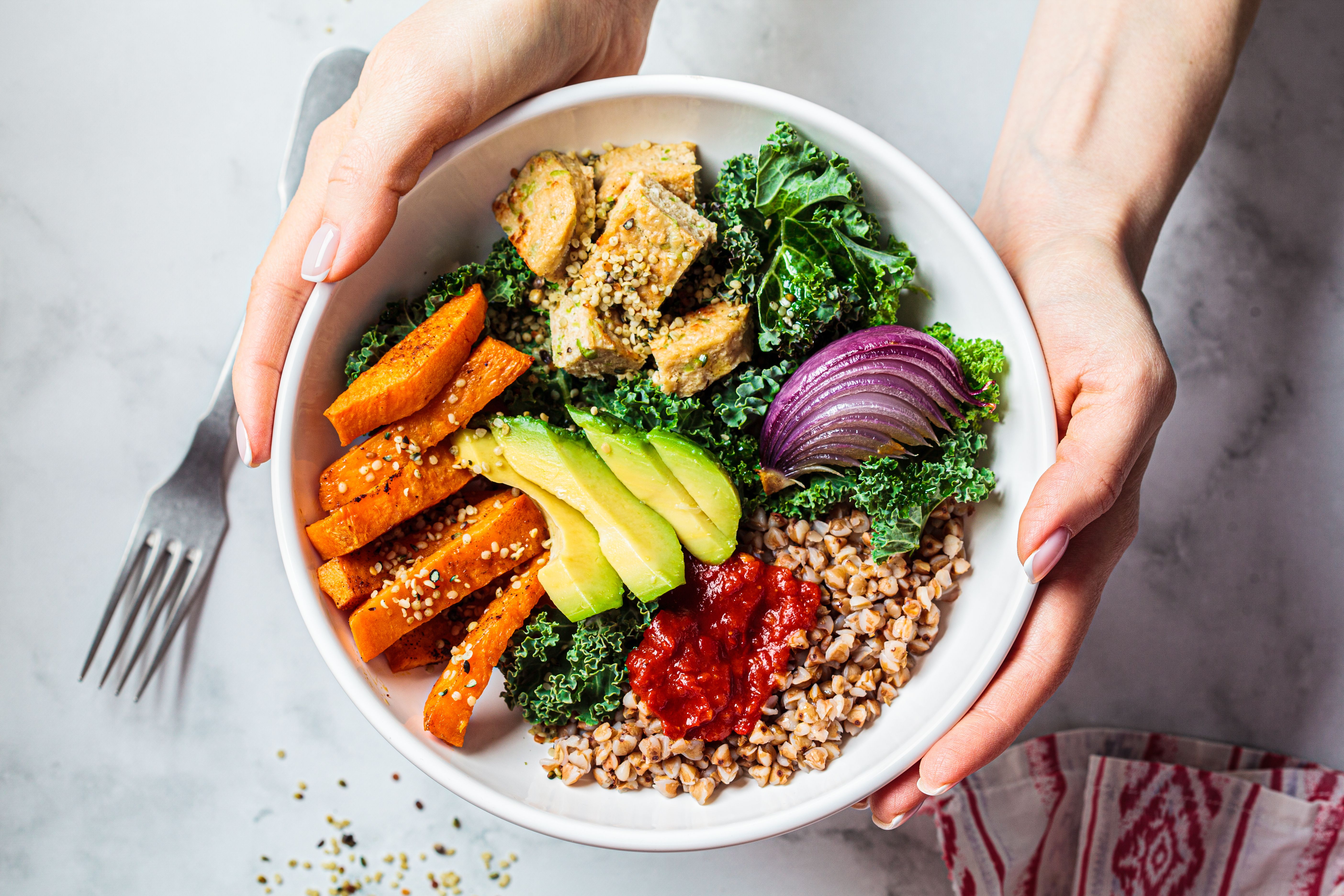
Creating a balanced meal plan involves incorporating a variety of foods that provide essential nutrients. Here are the key components:
- Carbohydrates: Whole grains, fruits, and vegetables are excellent sources of carbohydrates.
- Proteins: Lean meats, fish, eggs, and plant-based proteins like beans and lentils are beneficial.
- Fats: Healthy fats from sources like avocados, nuts, and olive oil should be included.
In addition to macronutrients, athletes need vitamins and minerals to support various bodily functions. Calcium and iron, for instance, are critical for bone health and oxygen transport, respectively.
Hydration is Key
Hydration is often overlooked, yet it's a vital part of an athlete's nutrition plan. Proper fluid intake helps regulate body temperature and maintain performance. Athletes should aim to drink water throughout the day and increase intake during practices and games.

Sample Meal Plan for High School Athletes
Designing a meal plan that meets the nutritional needs of high school athletes doesn't have to be complicated. Here's a sample day:
- Breakfast: Oatmeal with fruit and a glass of milk.
- Lunch: Grilled chicken sandwich with whole grain bread, a side salad, and an apple.
- Snack: Greek yogurt with nuts.
- Dinner: Baked salmon, quinoa, and steamed broccoli.
- Evening Snack: A smoothie made with spinach, banana, and almond milk.
Adjusting the Plan for Individual Needs
Every athlete is different, and meal plans should be tailored to individual needs. Factors such as sport type, training intensity, and personal health goals can influence dietary requirements. Consulting a nutritionist can provide personalized guidance.
Monitoring and Adjusting the Meal Plan
Once a meal plan is in place, it's important to monitor its effectiveness. Athletes should pay attention to their energy levels, performance, and overall health. Adjustments can be made as needed to ensure continued support for their athletic endeavors.
Building a balanced meal plan for high school athletes involves understanding their unique nutritional needs and providing a variety of nutrient-rich foods. With the right approach, athletes can fuel their bodies for success both on and off the field.