Hydration and Performance: How to Optimize Your Fluid Intake


The Importance of Hydration for Optimal Performance
Staying hydrated is crucial for maintaining peak physical and mental performance. Whether you're an athlete, a busy professional, or a student, proper hydration can significantly impact your energy levels, concentration, and overall well-being. When the body is adequately hydrated, it functions more efficiently, supporting everything from joint lubrication to nutrient transportation.
Understanding Your Body's Fluid Needs
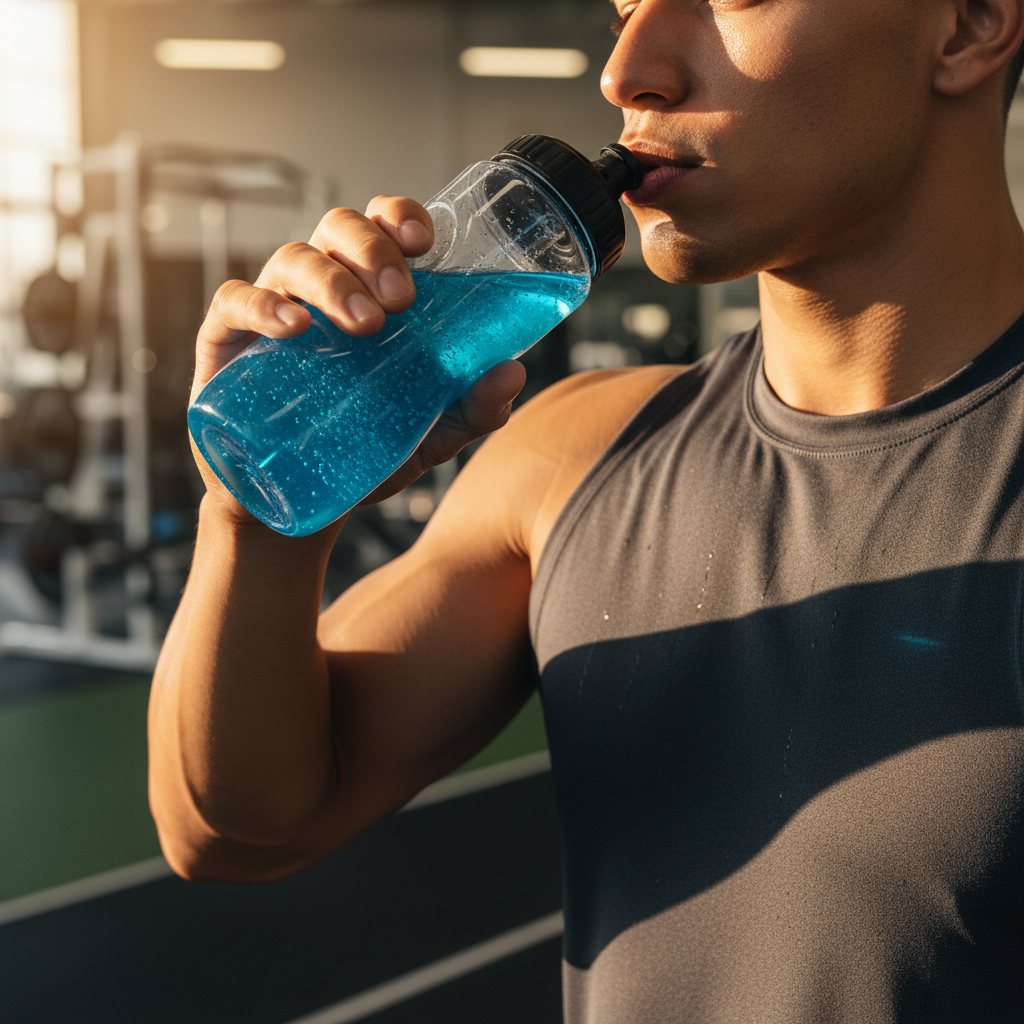
Every individual's hydration needs vary depending on factors such as age, gender, activity level, and climate. On average, adults should aim to consume about 2 to 3 liters of fluids daily. However, those engaged in intense physical activities may require more to compensate for the fluid lost through sweat.
Signs of dehydration include headaches, fatigue, dry skin, and reduced cognitive function. It's essential to listen to your body's signals and ensure you're drinking enough water throughout the day to prevent these symptoms.
Strategies for Optimizing Fluid Intake
Optimizing hydration involves more than just drinking water. Here are some strategies to help you maintain optimal fluid levels:
- Start your day with water: Drinking a glass of water first thing in the morning helps jumpstart your metabolism and rehydrate your body after hours of sleep.
- Incorporate hydrating foods: Foods like cucumbers, watermelon, and oranges are high in water content and can contribute to your daily fluid intake.
- Set reminders: Use alarms or apps to remind you to drink water regularly, especially if you tend to forget.
Impact of Hydration on Physical Performance
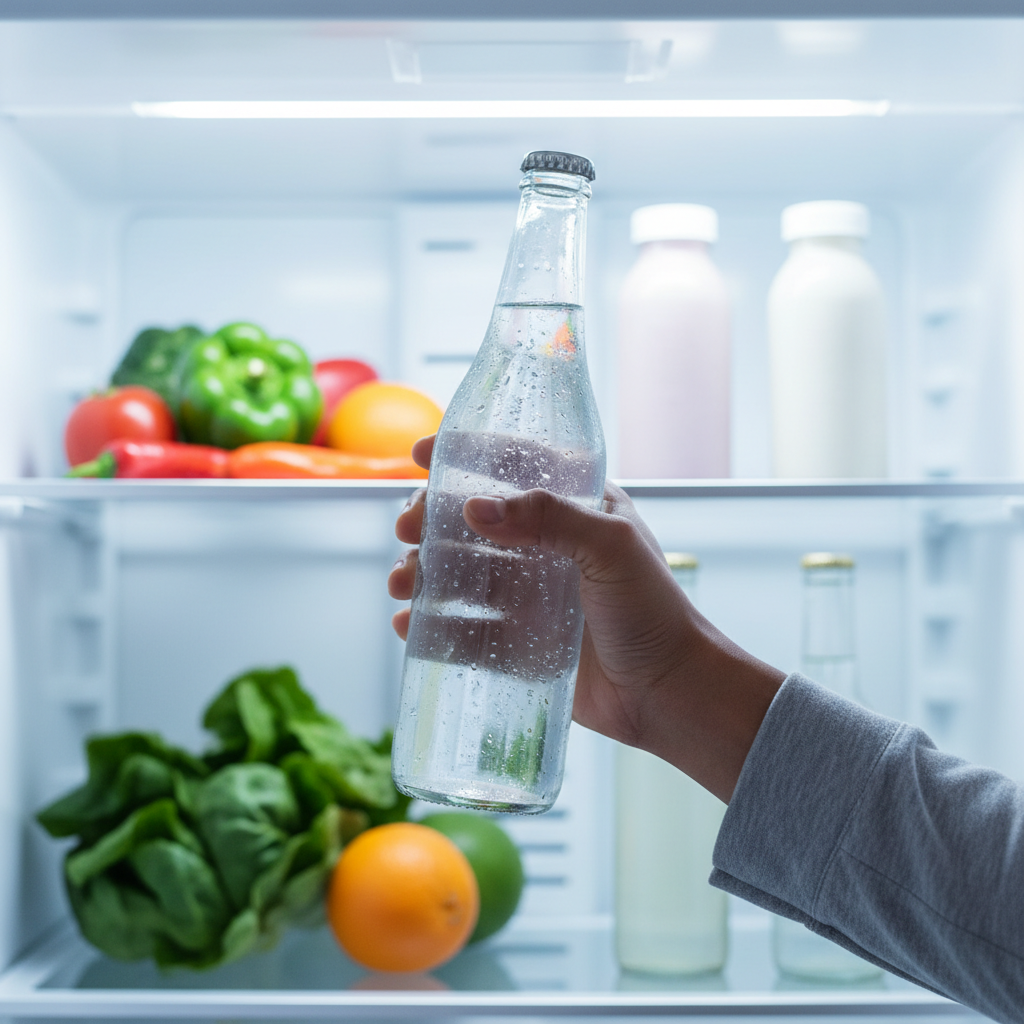
Proper hydration is vital for athletes and those who exercise regularly. Water helps regulate body temperature, maintain blood volume, and facilitate muscle contractions. Dehydration can lead to a decrease in strength, endurance, and overall performance.
To optimize performance, athletes should focus on staying hydrated before, during, and after exercise. Consuming electrolyte-rich drinks can be beneficial, especially during prolonged or intense workouts, as they help replenish lost minerals like sodium and potassium.
Hydration and Cognitive Function
Hydration significantly impacts mental performance. Even mild dehydration can lead to impaired cognitive function, affecting memory, attention, and mood. Staying hydrated helps maintain brain function and can improve concentration and alertness.
Monitoring Your Hydration Levels
Monitoring your urine color is a simple way to gauge hydration levels. Light yellow urine typically indicates proper hydration, while darker shades suggest the need for more fluids. Additionally, paying attention to thirst cues and adjusting intake based on activity and weather conditions is essential.
By understanding and implementing effective hydration strategies, you can enhance both physical and mental performance. Prioritizing hydration is a simple yet powerful way to support overall health and well-being.