Hydration Strategies for High School Athletes: What You Need to Know


Staying properly hydrated is crucial for high school athletes who are often engaged in intense physical activities. Dehydration can significantly impact performance, concentration, and overall health. Understanding effective hydration strategies can make a substantial difference in both training and competition outcomes.
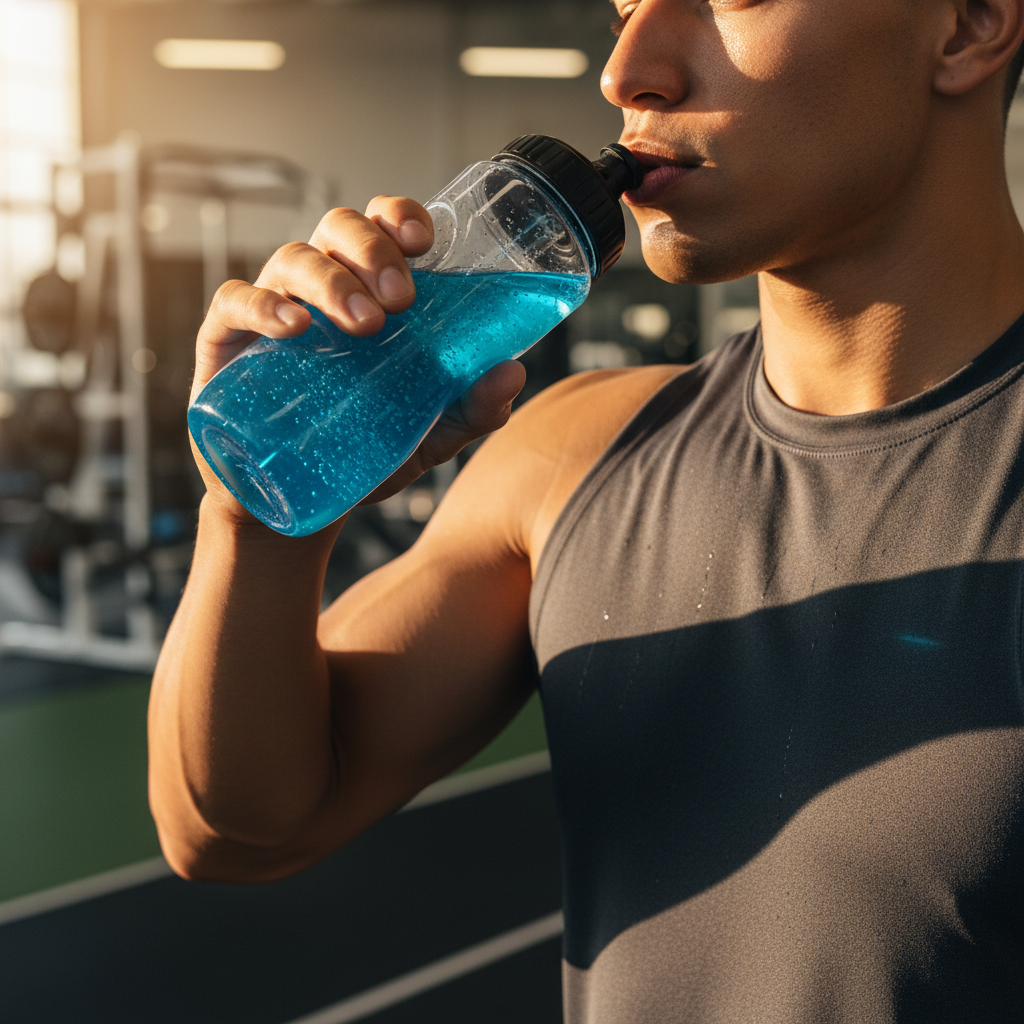
Understanding the Importance of Hydration
Hydration plays a vital role in maintaining body temperature, transporting nutrients, and eliminating waste. For athletes, hydration directly influences endurance, strength, and recovery. During exercise, the body loses water through sweat, and failing to replenish it can lead to dehydration, which in turn affects athletic performance.
It's important for athletes to recognize the signs of dehydration, such as dizziness, dry mouth, and fatigue. Being proactive about hydration can prevent these symptoms and enhance performance on the field.
Pre-Exercise Hydration
Proper hydration begins even before the exercise starts. Athletes should aim to drink water throughout the day leading up to their training or competition. A good rule of thumb is to drink about 16-20 ounces of water two to three hours before exercise. This ensures the body is well-hydrated and ready for exertion.

In the 20 to 30 minutes before exercising, it is beneficial to consume an additional 8 ounces of water. This practice helps to top off the body's fluid levels and prepares it for the upcoming physical activity.
Hydration During Exercise
During training or competition, it's crucial to continue hydrating. Athletes should aim to drink about 7-10 ounces of water every 10-20 minutes. If the exercise lasts longer than an hour, consuming a sports drink can be beneficial to replenish electrolytes lost through sweat.
Electrolytes like sodium, potassium, and magnesium are essential for muscle function and should be included in the hydration strategy for longer or more intense sessions. This ensures that the body maintains its electrolyte balance, which is critical for performance and recovery.
Post-Exercise Rehydration
Rehydration after exercise is just as important as pre-exercise and during-exercise hydration. Athletes should aim to drink 16-24 ounces of water for every pound lost during exercise. Weighing before and after exercise can help determine the amount of fluid lost and how much needs to be replaced.
Including a recovery drink with electrolytes and carbohydrates can also aid in replenishing lost nutrients and accelerating recovery. This practice is especially important if the athlete is participating in multiple events or training sessions in a single day.
Creating a Personalized Hydration Plan
Each athlete has unique hydration needs based on their body size, the intensity of activity, and environmental conditions. Therefore, it's essential to develop a personalized hydration plan. Monitoring urine color can be a good indicator; a light yellow color typically indicates proper hydration.
Coaches and trainers can assist athletes in tailoring a hydration plan that suits their specific needs, ensuring they stay hydrated and perform at their best. By staying informed and proactive, athletes can maintain optimal hydration and achieve peak performance.