Myth-Busting Sports Nutrition: Separating Fact from Fiction for Young Athletes


Understanding Sports Nutrition Myths
In the world of sports nutrition, misinformation can easily spread, especially among young athletes eager to enhance their performance. It's crucial to distinguish between fact and fiction to ensure optimal health and athletic success. In this post, we'll debunk some common myths that could be affecting your game.

Myth 1: Carbs Are the Enemy
One prevalent misconception is that carbohydrates should be avoided to maintain a lean physique. In reality, carbohydrates are the primary source of energy for athletes. Eliminating them can lead to fatigue and decreased performance. Young athletes should focus on consuming complex carbs like whole grains, fruits, and vegetables for sustained energy.
Understanding the role of carbohydrates can help athletes maintain energy levels during training and competitions. Instead of cutting them out, focus on timing and portion control to get the most benefit.
Myth 2: Protein Shakes Are Essential
Many young athletes believe they need protein shakes to build muscle. While protein is essential for muscle repair and growth, it doesn't have to come solely from supplements. A balanced diet with lean meats, dairy, beans, and nuts can provide adequate protein.

It's important to remember that excessive protein intake can strain the kidneys and isn't beneficial for muscle growth. Always prioritize whole foods and consult with a nutritionist if considering supplements.
Myth 3: Hydration is Just About Drinking Water
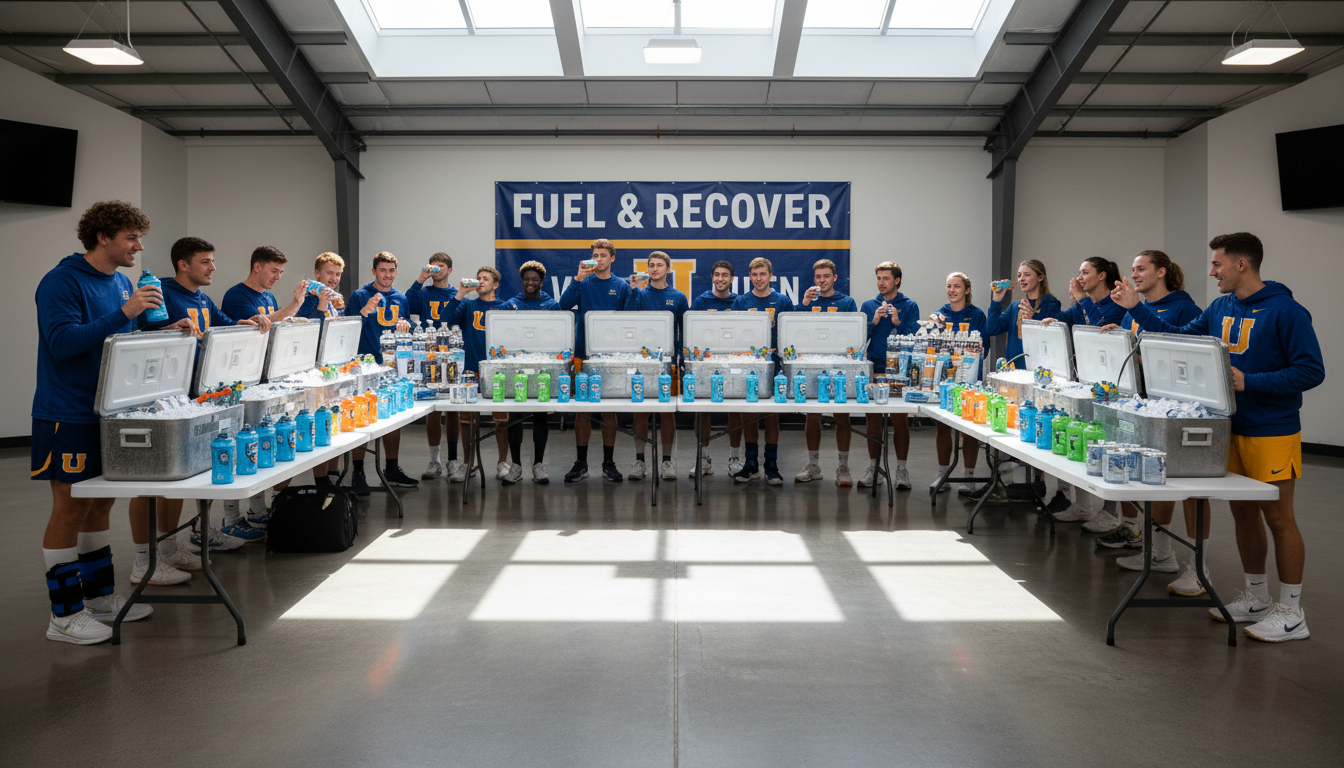
Staying hydrated is crucial, but it's not just about drinking water. Electrolytes, like sodium and potassium, are also vital, especially during intense physical activities. Sports drinks can be beneficial during long training sessions, but be cautious of their sugar content.
For young athletes, it's essential to balance water intake with electrolyte replacement to prevent cramps and dehydration. Listen to your body and adjust your hydration strategy based on activity level and weather conditions.
Myth 4: Supplements Can Replace a Balanced Diet
Supplements are often marketed as shortcuts to enhanced performance, but they should never replace a balanced diet. Whole foods provide a variety of nutrients that work together to support overall health and performance. Supplements can fill specific gaps, but they aren't a substitute for real food.
When considering supplements, it's best to consult with a healthcare professional to determine if they're necessary and safe for your individual needs. Remember, there are no shortcuts to peak performance—consistent training and a balanced diet are key.
Conclusion: Focus on Balanced Nutrition
Young athletes should prioritize a balanced diet that includes a variety of nutrients to support their growth and performance. By understanding and debunking these myths, athletes can make informed decisions that enhance their health and athletic achievements.
Stay informed and consult with nutrition experts to tailor your diet to your specific needs. Remember, the foundation of athletic success is built on knowledge and proper nutrition.