Seasonal Nutrition: How Michigan Weather Affects Hydration and Diet


Understanding Michigan's Climate
Michigan is known for its diverse climate, with four distinct seasons that greatly influence the state's nutritional needs and hydration strategies. From the freezing winters to the humid summers, each season presents unique challenges and opportunities for maintaining a balanced diet.

The key to navigating these changes is understanding how weather affects our bodies. In colder months, our metabolism tends to increase to maintain body temperature, which can affect our dietary requirements. Conversely, in the warmer months, hydration becomes a priority as we battle heat and humidity.
Winter Nutrition and Hydration
During the cold Michigan winters, our bodies crave more calories to generate warmth. This often leads to an increased desire for hearty, warming foods. Think stews, soups, and root vegetables. It's important to focus on nutrient-dense foods that provide warmth without excessive calories.
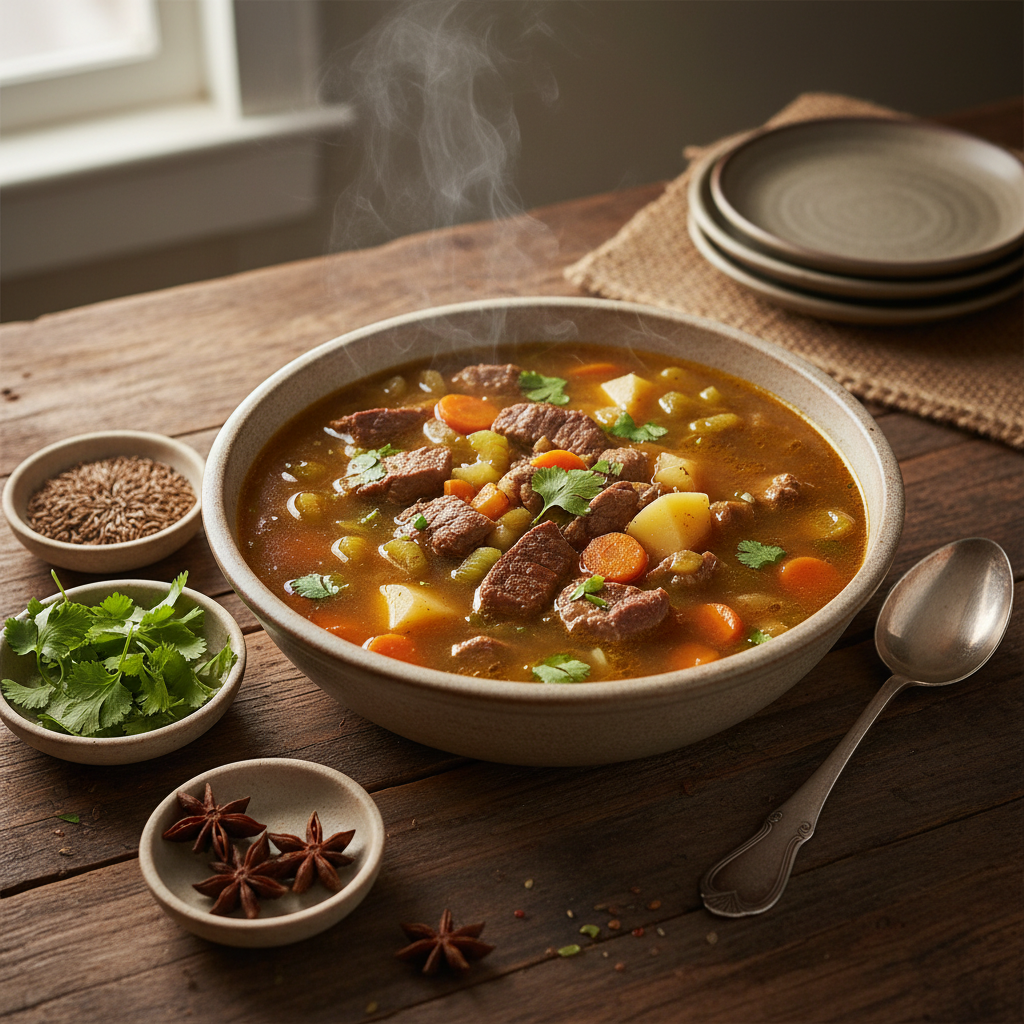
Hydration can sometimes be overlooked in winter, but it's just as crucial as in summer. The dry air can lead to dehydration, so ensure you're drinking enough water and incorporating hydrating foods like citrus fruits and leafy greens.
Winter Diet Tips
- Incorporate warm beverages like herbal teas.
- Opt for whole grains and lean proteins.
- Include plenty of fruits and vegetables rich in vitamins.
Spring and Fall: Transition Seasons
Spring and fall in Michigan offer a mix of weather conditions, making it essential to adapt your diet accordingly. In spring, as the weather warms, lighter meals with fresh greens and seasonal produce can help energize the body. Fall, with its cooler temperatures, is perfect for incorporating harvest foods like pumpkins and squash.

These transition seasons are ideal for focusing on a balanced diet that includes a variety of nutrients. It's also a great time to experiment with new recipes and embrace local produce.
Spring and Fall Diet Tips
- Focus on seasonal produce for maximum freshness.
- Balance your plate with proteins, carbs, and fats.
- Stay hydrated with herbal infusions and water-rich fruits.
Summer Hydration Strategies
Michigan summers can be hot and humid, making hydration a top priority. Sweating increases fluid loss, so it's important to replenish regularly. Water should be your go-to, but don't forget about electrolytes, especially after intense physical activity.

Your diet should include plenty of water-rich fruits and vegetables like watermelon, cucumbers, and tomatoes. These not only help with hydration but also provide essential nutrients that support overall health.
Summer Diet Tips
- Drink water consistently throughout the day.
- Include hydrating foods in every meal.
- Consider natural electrolyte sources like coconut water.
Conclusion
Adapting your diet and hydration habits to Michigan's seasonal changes can significantly impact your health and well-being. By paying attention to the weather and adjusting your nutritional strategies accordingly, you can enjoy each season while maintaining a balanced and healthy lifestyle.