The Ultimate Guide to Optimal Diet Plans for Young Athletes


Understanding the Nutritional Needs of Young Athletes
Young athletes require a unique balance of nutrients to support their active lifestyles. Proper nutrition not only enhances performance but also aids in growth and development. It's essential to understand that calories and nutrients are the fuel that powers their activities and training sessions.

Macronutrients: The Core of an Athlete's Diet
Macronutrients, including carbohydrates, proteins, and fats, are crucial for energy and muscle recovery. Carbohydrates are the primary energy source, making up 50-60% of a young athlete's diet. Proteins are vital for muscle repair, while healthy fats support long-lasting energy.
Here’s a simple breakdown:
- Carbohydrates: Whole grains, fruits, and vegetables
- Proteins: Lean meats, beans, and dairy
- Fats: Nuts, seeds, and avocados
Hydration: The Forgotten Essential
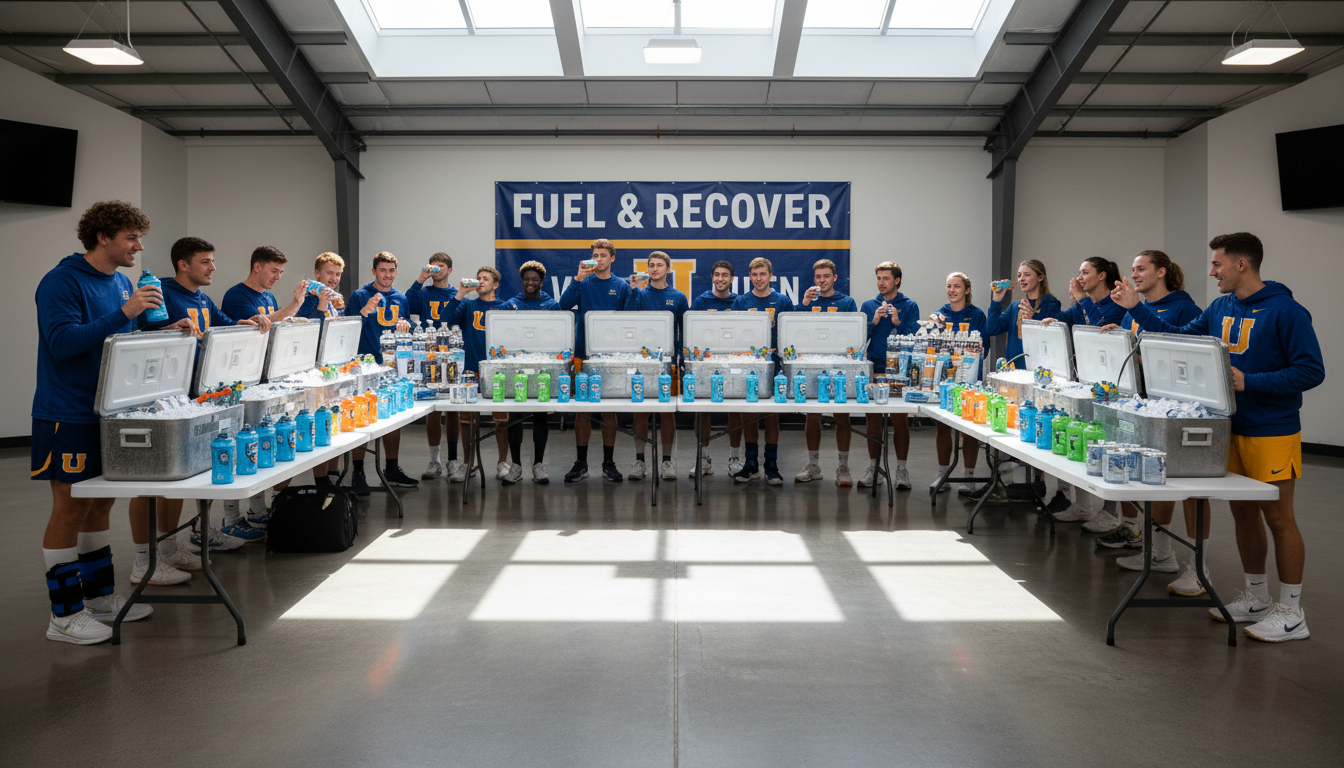
Hydration plays a critical role in an athlete's performance. Dehydration can lead to fatigue, dizziness, and decreased coordination. Young athletes should drink water throughout the day, especially before, during, and after exercise. Sports drinks can be beneficial during intense workouts lasting over an hour, providing electrolytes and additional energy.
Meal Timing and Frequency
Proper meal timing can significantly impact an athlete’s performance and recovery. Eating balanced meals and snacks every 3-4 hours helps maintain energy levels. Pre-workout meals should be rich in carbohydrates and consumed 1-3 hours before activity. Post-workout nutrition should include protein and carbohydrates to aid recovery.
Supplements: Do Young Athletes Need Them?
While a balanced diet should provide all the necessary nutrients, some athletes may benefit from supplements. However, these should be considered only under the guidance of a healthcare professional. Common supplements include protein powders and multivitamins, but they should not replace whole foods.

Special Considerations for Different Sports
Different sports may require specific dietary adjustments. Endurance sports like long-distance running demand higher carbohydrate intake, while strength sports such as weightlifting might focus more on protein. It’s essential for young athletes to tailor their diet plans according to their specific sports requirements.
Consulting with a nutritionist can provide personalized guidance, ensuring that dietary plans meet the demands of their sport and personal health needs.
The Role of Parents and Coaches
Parents and coaches play a pivotal role in shaping young athletes’ dietary habits. Encouraging a balanced diet and providing education about nutrition can help build lifelong healthy eating practices. It’s important to foster a positive relationship with food, emphasizing nourishment and energy over restriction.

By understanding and implementing optimal diet plans, young athletes can not only boost their performance but also support their overall health and well-being. Nutrition is a powerful tool that, when used correctly, can help fuel success in sports and beyond.