Top 5 Foods to Avoid for Optimal Athletic Performance


Understanding the Impact of Diet on Athletic Performance
For athletes aiming to achieve their best performance, nutrition plays a crucial role. While there are foods that can enhance energy and recovery, there are also certain foods that may hinder performance. Steering clear of these can make a significant difference in both training and competition outcomes.
In this post, we'll explore the top five foods to avoid to ensure optimal athletic performance. By making smart dietary choices, athletes can maintain their energy levels and support their overall health.

1. Sugary Snacks and Drinks
The Sugar Crash Effect
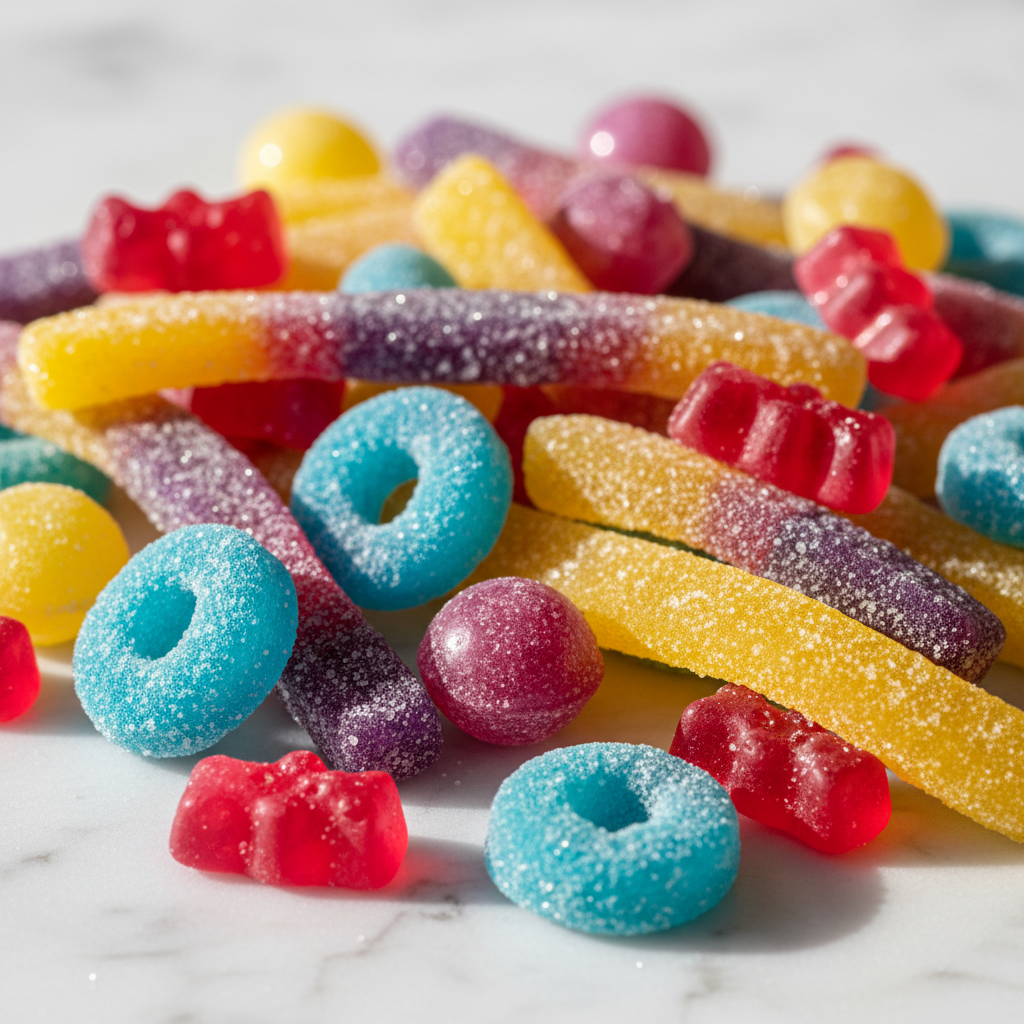
While it might be tempting to reach for a sugary snack or drink for a quick energy boost, these options can lead to a rapid spike in blood sugar levels followed by a crash. This crash can leave athletes feeling fatigued and unfocused, undermining their performance.
Healthier Alternatives
Instead of sugary snacks, consider consuming complex carbohydrates like whole grains or fruits. These provide a more sustained energy release, helping to maintain performance throughout training or competition.
2. Fried and Fatty Foods
Digestive Discomfort
Fried and fatty foods can be heavy on the stomach, leading to discomfort and sluggishness. These foods are often high in unhealthy fats, which can slow down digestion and leave athletes feeling weighed down.
Opt for Lean Proteins
Athletes should choose lean proteins such as chicken, fish, or plant-based options. These proteins are easier to digest and provide essential nutrients without the excess fat.
3. Processed and Packaged Foods
Hidden Ingredients
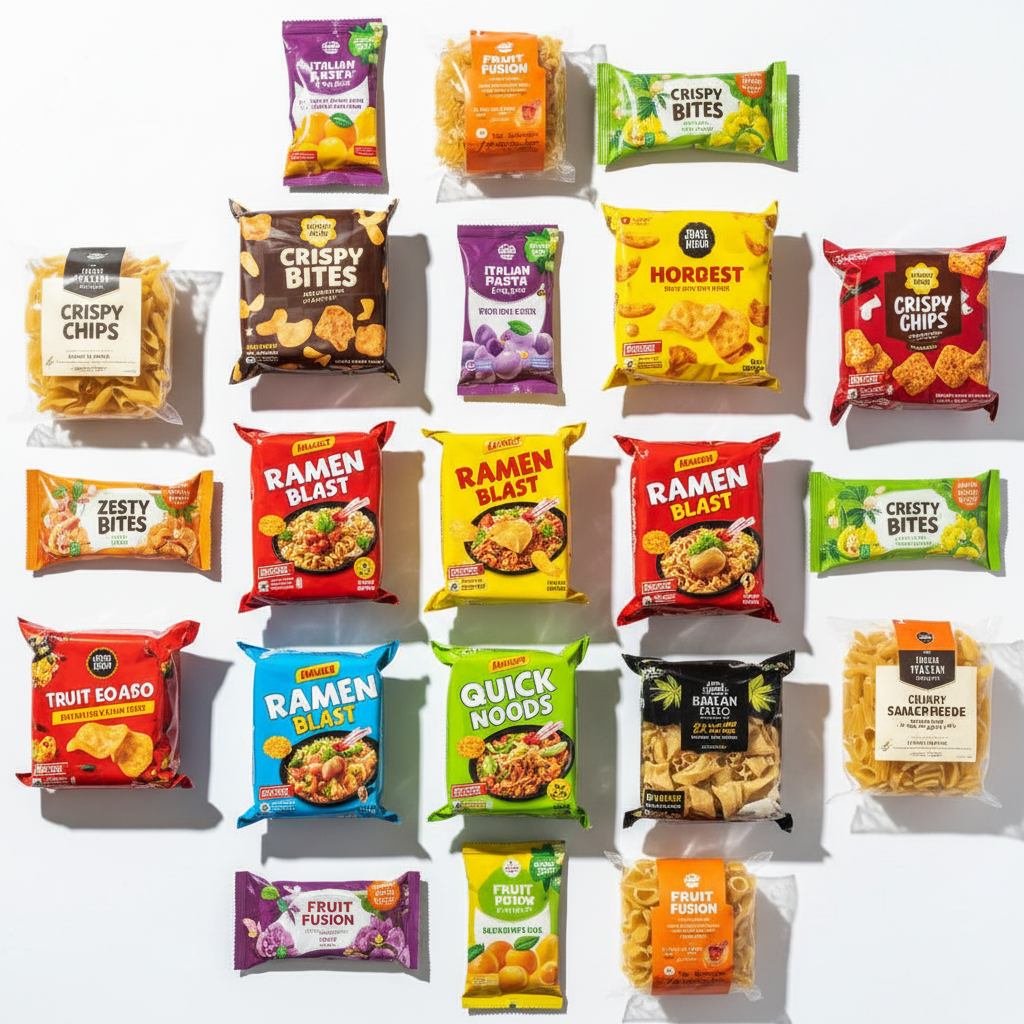
Processed and packaged foods often contain additives, preservatives, and high levels of sodium, which can lead to dehydration and increased blood pressure. These effects can negatively impact endurance and recovery.
Fresh is Best
Whenever possible, opt for fresh, whole foods. Preparing meals at home allows for better control over ingredients and ensures a balanced intake of nutrients essential for athletic success.
4. Alcohol
Dehydration and Recovery
Alcohol consumption can lead to dehydration, impairing physical performance and recovery. It can also interfere with the body's ability to repair muscle tissue, which is crucial for athletes.
Moderation is Key
If alcohol is consumed, it should be in moderation and with adequate hydration. Prioritizing water and sports drinks can help maintain hydration levels and support recovery.

5. High-Fiber Foods Before Exercise
Potential Digestive Issues
While fiber is an important part of a healthy diet, consuming high-fiber foods right before exercise can cause digestive discomfort. Foods like beans, broccoli, and certain whole grains may lead to bloating and gas.
Timing Matters
To avoid these issues, it's best to consume high-fiber foods well ahead of workouts or events. This allows time for digestion and can help prevent any unwanted gastrointestinal distress during performance.
By being mindful of these dietary choices, athletes can enhance their performance and ensure they're fueling their bodies effectively. Small changes can lead to significant improvements in energy levels, endurance, and overall athletic success.