Top Hydration Practices for Michigan Sports Teams


Understanding the Importance of Hydration
For athletes in Michigan, maintaining proper hydration is crucial for peak performance and overall health. The state's varying climate—from hot summers to cold winters—demands that athletes pay attention to their hydration year-round. Proper hydration helps regulate body temperature, lubricate joints, and transport nutrients throughout the body.
Dehydration can lead to fatigue, reduced coordination, and increased risk of heat-related illnesses. Therefore, sports teams must implement effective hydration practices to ensure their athletes stay in top condition.
Pre-Game Hydration Strategies
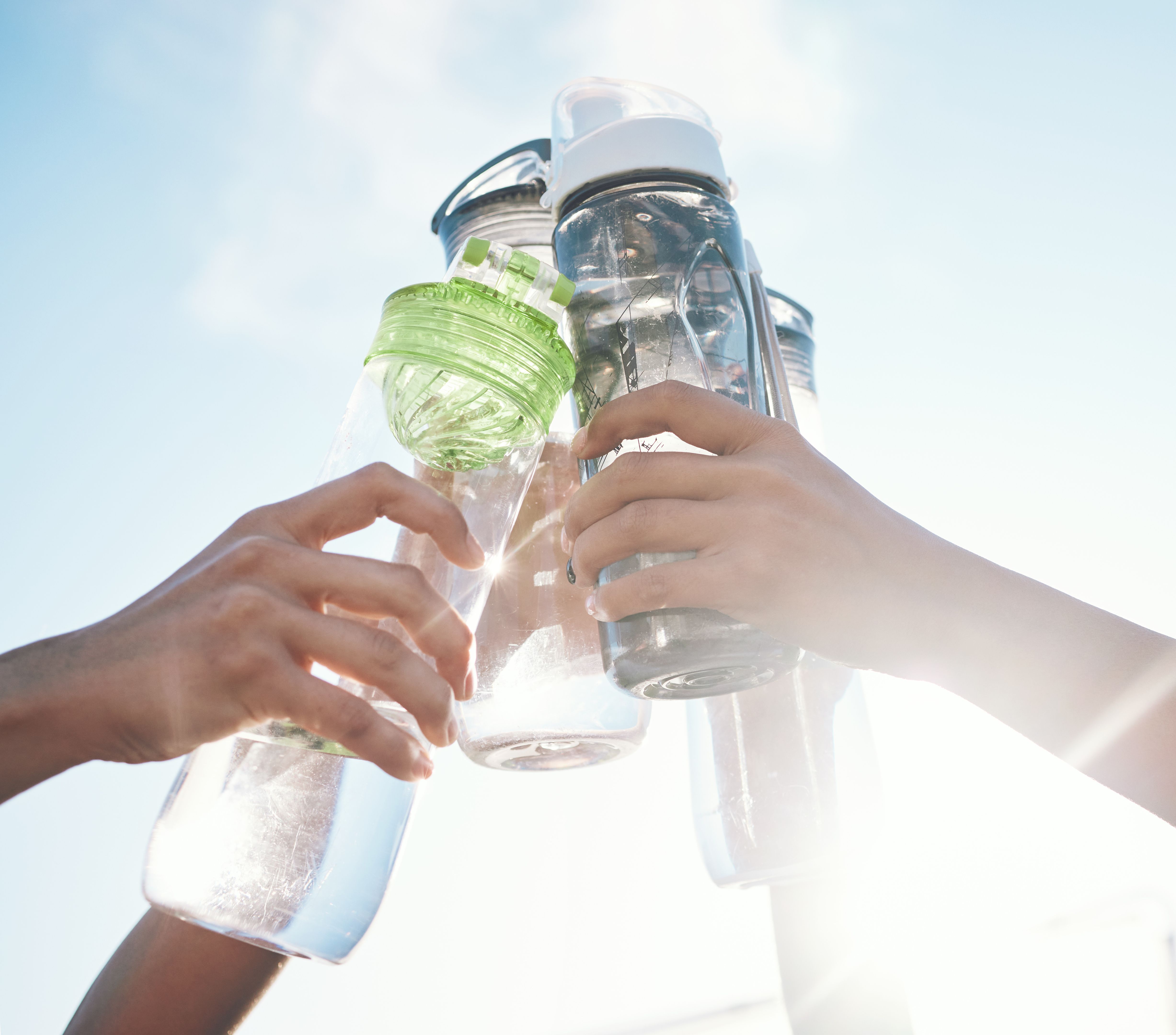
Preparing for a game begins long before the opening whistle. Athletes should start hydrating at least 24 hours before the event. This preparation includes drinking plenty of water and consuming hydrating foods such as fruits and vegetables.
Coaches can encourage players to drink a minimum of 16-20 ounces of water two to three hours before a game. This allows the body to absorb and distribute the fluids effectively. About 20 minutes before the game, consuming an additional 8 ounces can top off hydration levels.
During Game Hydration Tips
During intense physical activities, athletes can lose a significant amount of water through sweat. It is essential to replace these fluids to maintain performance and prevent dehydration. Teams should provide access to water or sports drinks throughout the game, with breaks every 15-20 minutes to encourage consistent consumption.
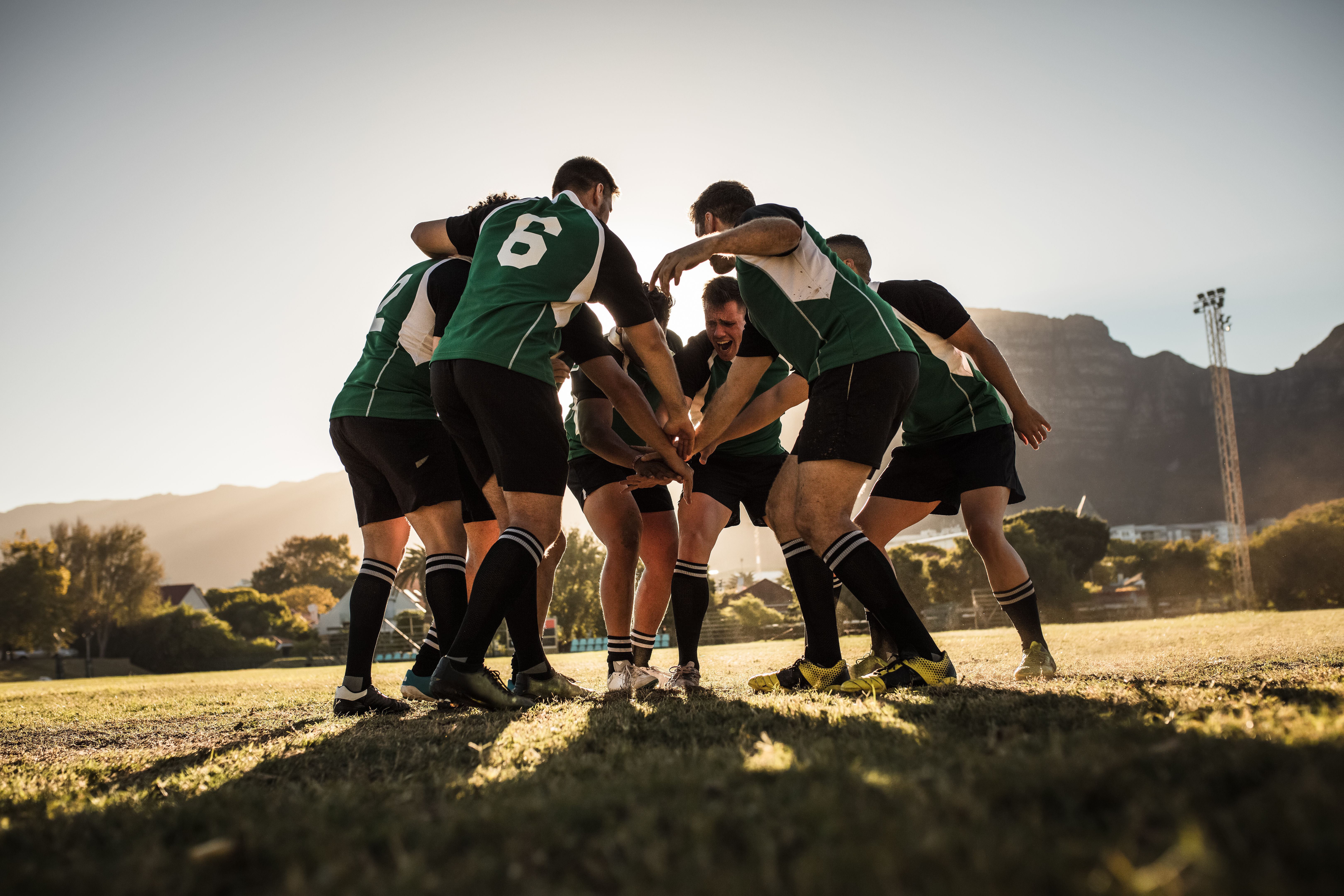
Sports drinks can be particularly beneficial during prolonged activities, as they replenish electrolytes lost through sweating. However, it’s crucial to balance these with water to avoid excessive sugar intake.
Post-Game Hydration Recovery
Rehydration doesn’t stop when the game ends. Athletes should continue to drink fluids to replace any lost during play. A general guideline is to drink 16-24 ounces of fluid for every pound lost during the game. Weighing athletes before and after activities can help determine this amount.
Including snacks rich in potassium and sodium, such as bananas and pretzels, can also aid in recovery by replenishing electrolytes.

Adjusting for Michigan's Climate
Michigan’s climate can vary significantly, influencing how athletes should approach hydration. In warmer months, increased sweating necessitates more frequent fluid intake. Conversely, during colder months, the sense of thirst may decrease, but the need for hydration remains.
Teams should educate athletes on recognizing signs of dehydration, such as dry mouth, fatigue, dizziness, and dark urine, regardless of the season.
Hydration Technologies and Tools
Modern technology offers several tools to help manage hydration effectively. Smart water bottles can track fluid intake and remind athletes to drink throughout the day. Apps designed for athletes can provide personalized hydration plans based on activity levels, body composition, and environmental conditions.
Utilizing these technologies can help teams ensure that their players stay adequately hydrated, supporting peak performance and health.