Top Nutrition Tips for High School Athletes: Fueling Your Body for Success


Fueling Your Body for Maximum Performance
High school athletes have demanding schedules that require them to perform at their best both academically and athletically. Proper nutrition is crucial in ensuring they have the energy and endurance to succeed. By focusing on a balanced diet, athletes can improve their performance and recovery times.
A well-rounded diet for a high school athlete should include a mix of carbohydrates, proteins, and fats. Carbohydrates provide the energy needed for intense training, while proteins help repair and build muscles. Healthy fats support overall well-being and brain health.
The Importance of Hydration
Staying hydrated is essential for any athlete. Dehydration can lead to decreased performance, fatigue, and even injury. Athletes should aim to drink water before, during, and after exercise. It's important to listen to your body and drink when you're thirsty, but also make a habit of regular hydration throughout the day.
In addition to water, beverages like sports drinks can be beneficial during prolonged or intense activities, as they replenish electrolytes lost through sweat. However, be mindful of the sugar content in these drinks.
Pre-Game Nutrition Strategies
Eating the right foods before a game or practice can make a significant difference in performance. Ideally, athletes should consume a meal rich in carbohydrates and moderate in protein about 2-3 hours before the activity. This could include whole-grain pasta with chicken or a turkey sandwich with vegetables.

If time is limited, a smaller snack like a banana or a granola bar 30 minutes before the activity can provide a quick energy boost. Avoid foods high in fat and fiber right before exercise, as they can cause digestive discomfort.
Post-Exercise Recovery
Recovery is just as important as preparation. After exercise, athletes should focus on replenishing glycogen stores and repairing muscles. A combination of carbohydrates and protein within 30 minutes post-exercise is ideal. Chocolate milk, yogurt with fruit, or a smoothie are excellent recovery options.

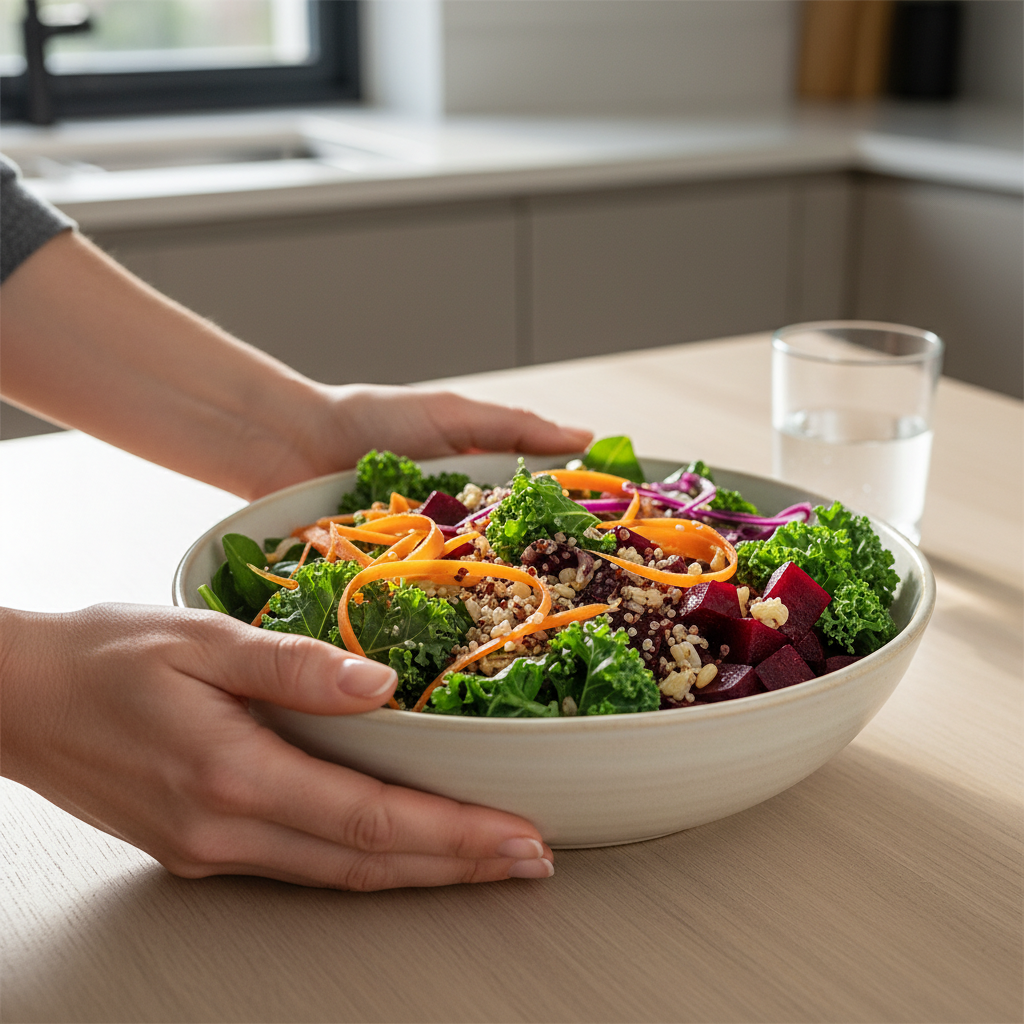
Including anti-inflammatory foods like berries, nuts, and leafy greens can aid in reducing muscle soreness and promoting faster recovery times.
Consistent Eating Habits
Establishing a regular eating schedule helps maintain energy levels throughout the day. High school athletes should aim for three main meals and several healthy snacks. Consistency ensures that their bodies are never running on empty.
Snacks such as nuts, seeds, fruits, and whole-grain crackers can provide sustained energy between meals. Planning and preparing meals in advance can help athletes avoid unhealthy fast-food choices.